Typical Wastewater Challenges in the Electroplating Industry
Feb 24, 2026
The electroplating industry is widely recognized as one of the most challenging sectors for industrial wastewater treatment. Due to complex processes, diverse chemicals, and stringent discharge regulations, electroplating wastewater presents both technical and operational difficulties for treatment system designers and operators.
Understanding these challenges is essential for selecting appropriate treatment technologies and ensuring stable, compliant operation.
1. Complex and Variable Wastewater Composition
Electroplating wastewater typically contains a mixture of heavy metals such as copper, nickel, chromium, tin, gold, and silver, along with oil, surfactants, acids, alkalis, and suspended solids generated during pretreatment and finishing processes.
The complexity is further increased by:
Multiple production lines
Frequent bath replacement
Intermittent discharge patterns
These factors result in large fluctuations in flow rate and water quality, making stable treatment difficult.
2. Heavy Metals with Different Chemical Behaviors
Not all heavy metals behave the same during treatment. For example:
Hexavalent chromium requires reduction before precipitation
Nickel and copper demand precise pH control
Precious metals may require recovery rather than disposal
If treatment processes are not properly separated or controlled, metal interference can occur, leading to incomplete removal and unstable effluent quality.
3. High Oil and Suspended Solids Load
Pretreatment steps such as degreasing and surface cleaning generate wastewater with emulsified oil and fine suspended solids. These contaminants can:
Affect chemical precipitation efficiency
Cause sludge flotation or carryover
Increase load on downstream filtration or membrane systems
Without effective oil separation and solid removal, overall system performance is compromised.
4. Stringent Discharge Standards and Compliance Pressure
In many regions, electroplating wastewater must meet strict discharge limits. In China, for example, systems are often required to comply with GB 21900-2008 Electroplating Pollutant Discharge Standard, which sets low allowable concentrations for heavy metals.
Meeting these standards consistently requires:
Precise chemical dosing
Reliable automation and monitoring
Sufficient safety margins in system design
5. Sludge Management and Operating Costs
Electroplating wastewater treatment generates metal-bearing sludge, which is classified as hazardous waste in many jurisdictions. Sludge handling, dewatering, and disposal contribute significantly to operating costs.
Poor sludge characteristics—such as low settling efficiency or high moisture content—can further increase disposal expenses and operational risk.
Practical Insight from a Surface Treatment Industrial Park
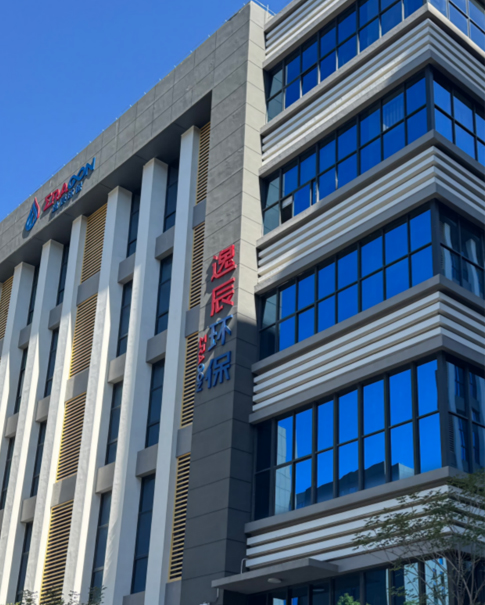
In a centralized wastewater treatment center serving a surface treatment industrial park of approximately 20,000 square meters, wastewater from multiple electroplating processes—including nickel, copper, chromium, tin, gold, and silver plating—was collected for unified treatment.
The influent consisted of heavy metal wastewater combined with oily and suspended solids wastewater from pretreatment processes. To meet GB 21900-2008 Table 2 discharge standards, the system was designed with segregated pretreatment, optimized chemical control, and robust solid-liquid separation.
This project highlights how electroplating wastewater challenges are amplified at the park level, requiring integrated design and stable operational strategies.
In conclusion, electroplating wastewater treatment is challenging due to its complex composition, heavy metal diversity, oil contamination, and strict discharge requirements. Successful treatment depends not on a single technology, but on systematic process design, precise control, and long-term operational stability.
For electroplating facilities and industrial parks, addressing these challenges early in the planning stage is critical to achieving compliant, reliable, and cost-effective wastewater treatment.
Read More