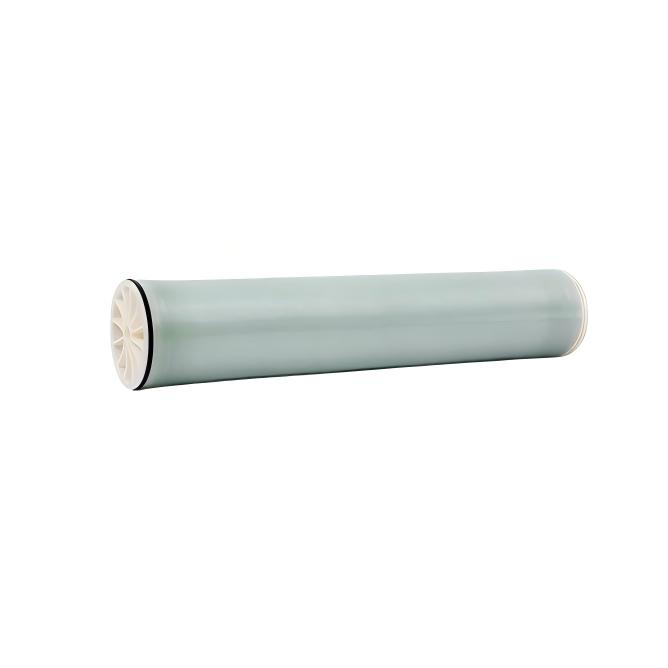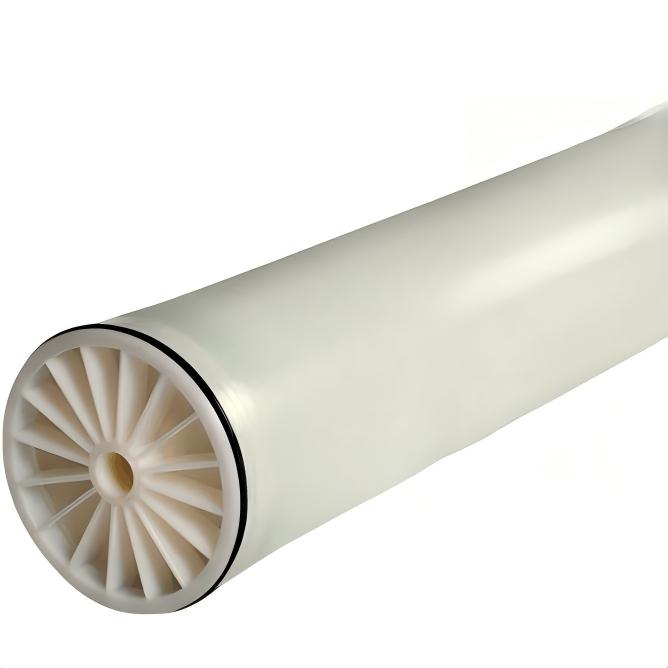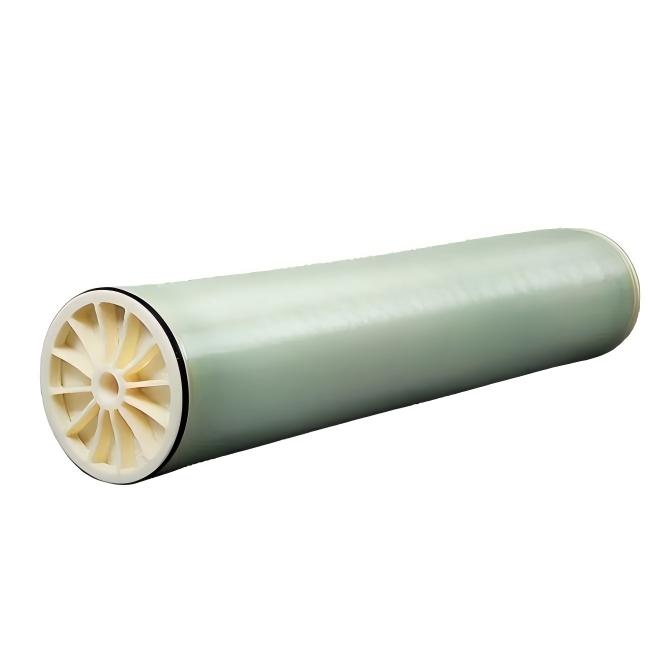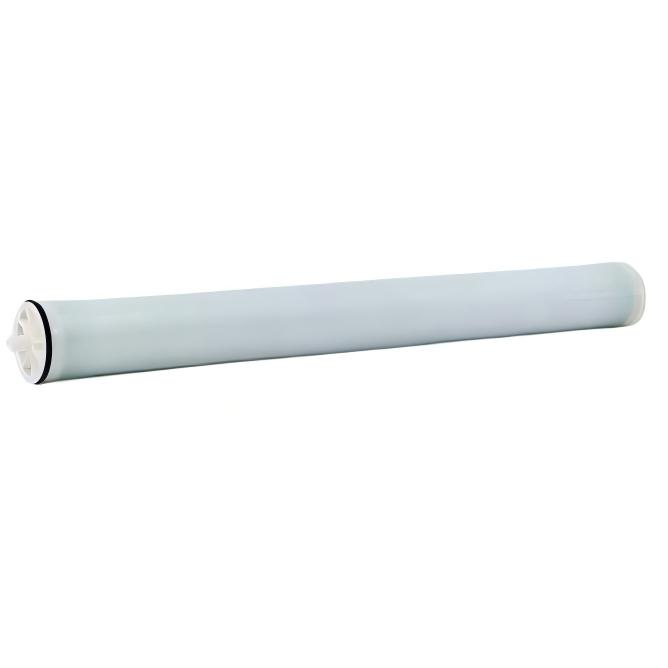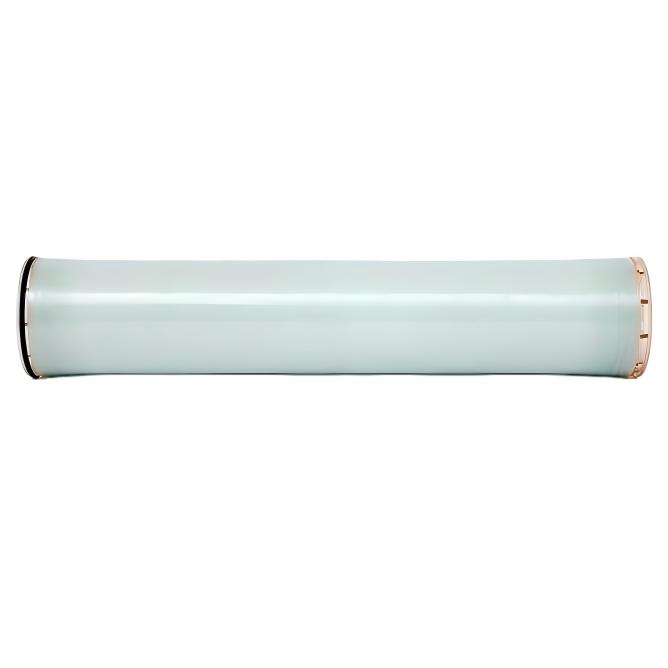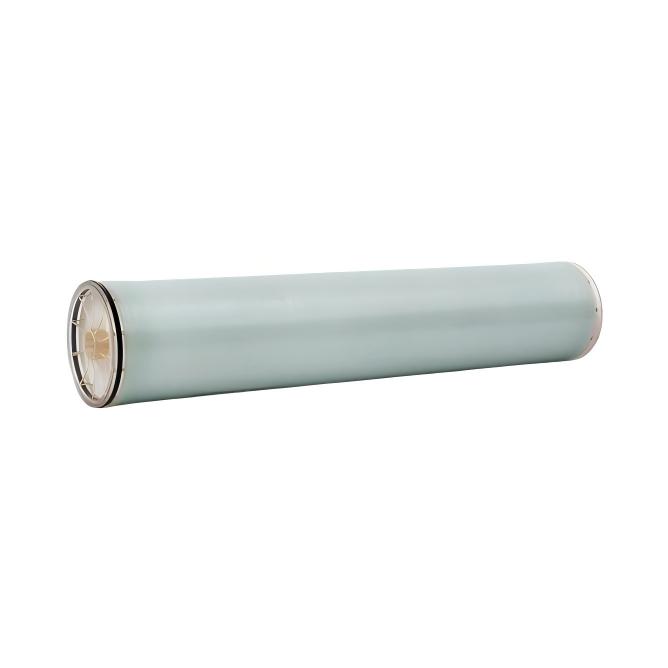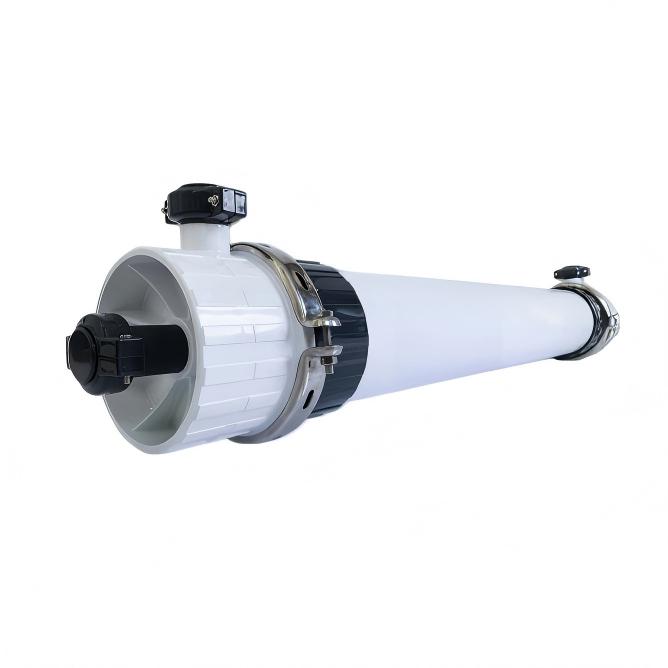
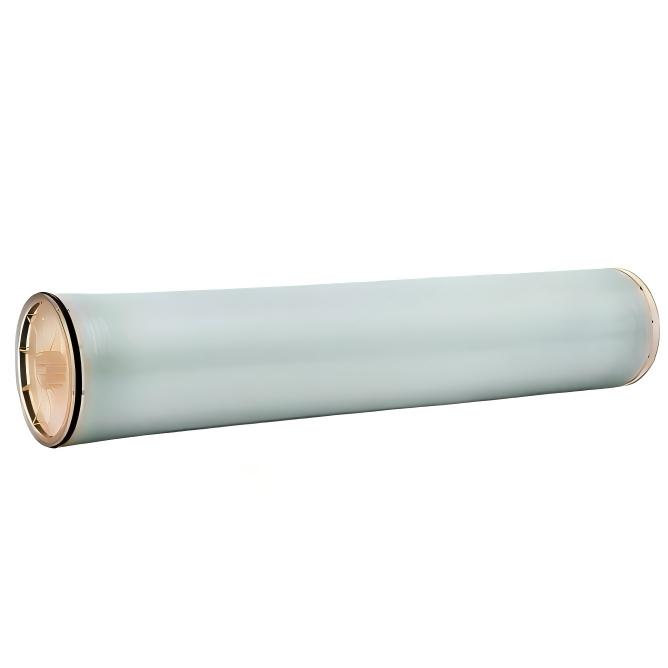
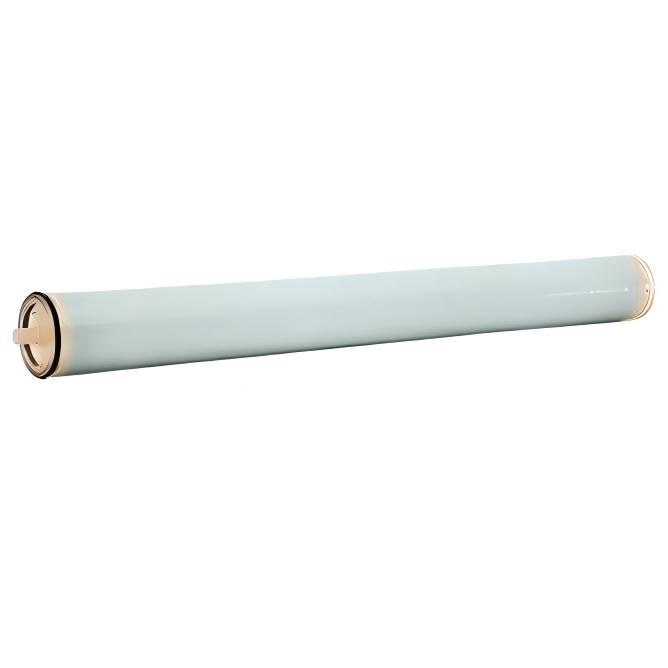
Acidstab Series acid-resistant nanofiltration membrane elements are designed for stable separation and recovery in acidic and corrosive process streams where conventional NF membranes fail.
They are widely applied in acid recovery, metal separation, and chemical wastewater treatment to improve system reliability and reduce membrane replacement frequency.
Acidstab Series - Acid-resistant Nanofiltration Membrane Elements
The Acidstab Series membranes utilize a chemically stabilized nanofiltration separation layer engineered to withstand long-term exposure to acidic environments.
With a molecular weight cut-off of approximately 200 Da, these membranes enable selective separation of metal ions and inorganic salts while maintaining stable flux and rejection, making them suitable for demanding industrial applications.
Key Features
Typical Applications
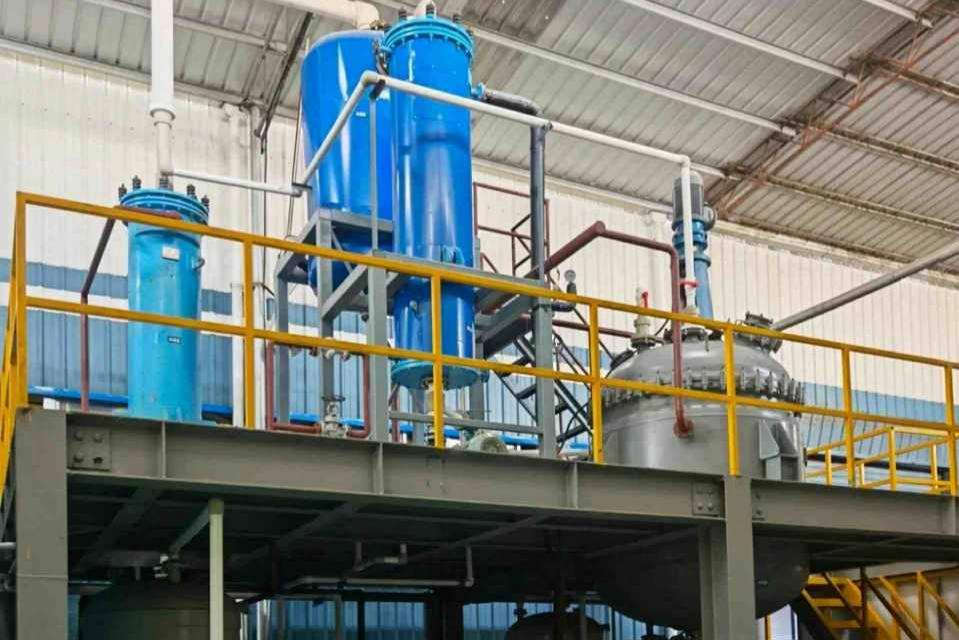
Process Media
• Hydrochloric acid (HCl) solutions
• Nitric acid (HNO₃) solutions
• Sulfuric acid (H₂SO₄) solutions
Industries & Systems
• Acid recovery systems in electroplating wastewater treatment
• Metal surface treatment and finishing industries
• Chemical manufacturing and inorganic salt processing
• Resource recovery and zero liquid discharge (ZLD) pretreatment
• Industrial acidic wastewater recycling systems
Membrane Element Working Principle (NF)
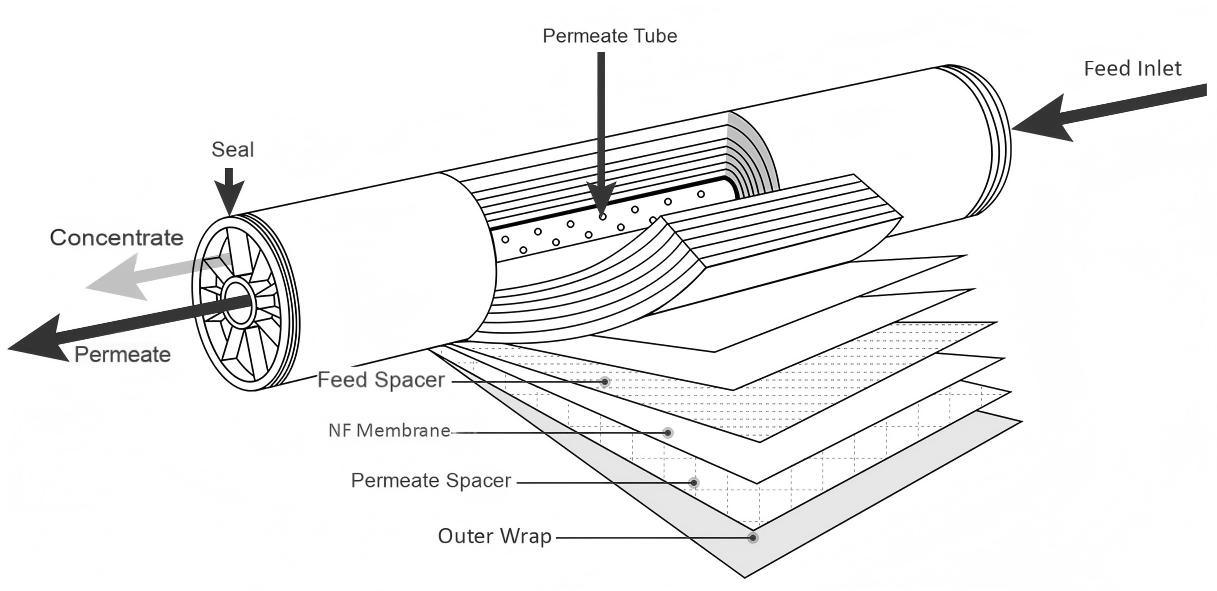
Step 1 – Feed Water Inlet
Acidic wastewater or process solution enters the membrane under pressure.
Step 2 – Membrane Separation
Acid molecules permeate through the NF membrane while metal ions and multivalent salts are selectively retained.
Step 3 – Permeate Collection
Recovered acid solution is collected for reuse or further processing.
Step 4 – Concentrate Discharge
Concentrated metal salts or impurities are discharged for downstream treatment or recovery.
Step 5 – Continuous Operation
The system operates continuously with stable separation and recovery performance.
Technical Specifications
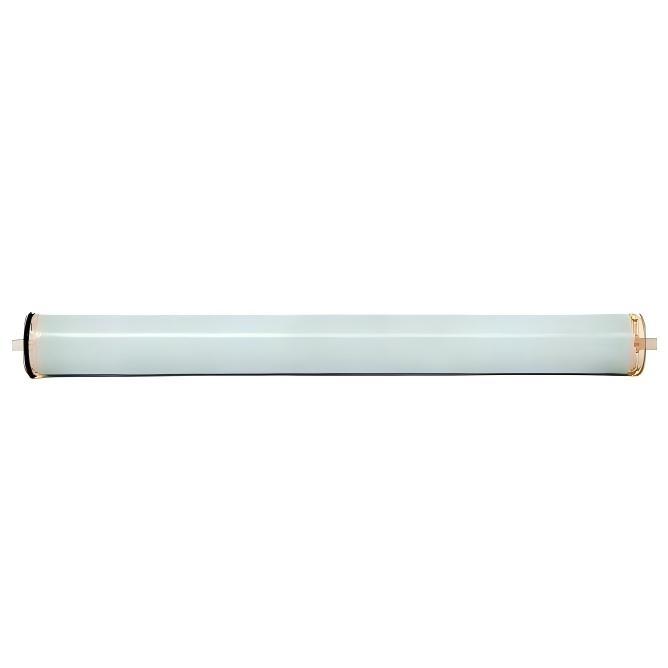
Product Dimensions
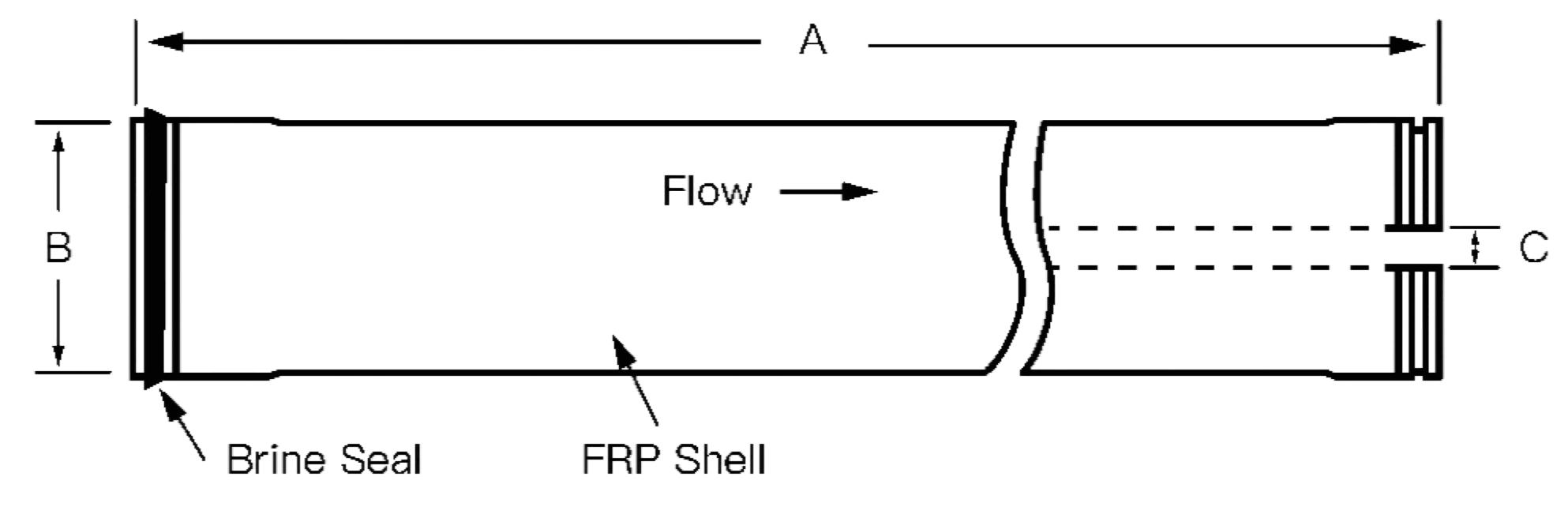
| Dimensions | in. (mm) |
| A | 40 (1016) |
| B | 7.9 (201) |
| C | 1.05 (26.7) |
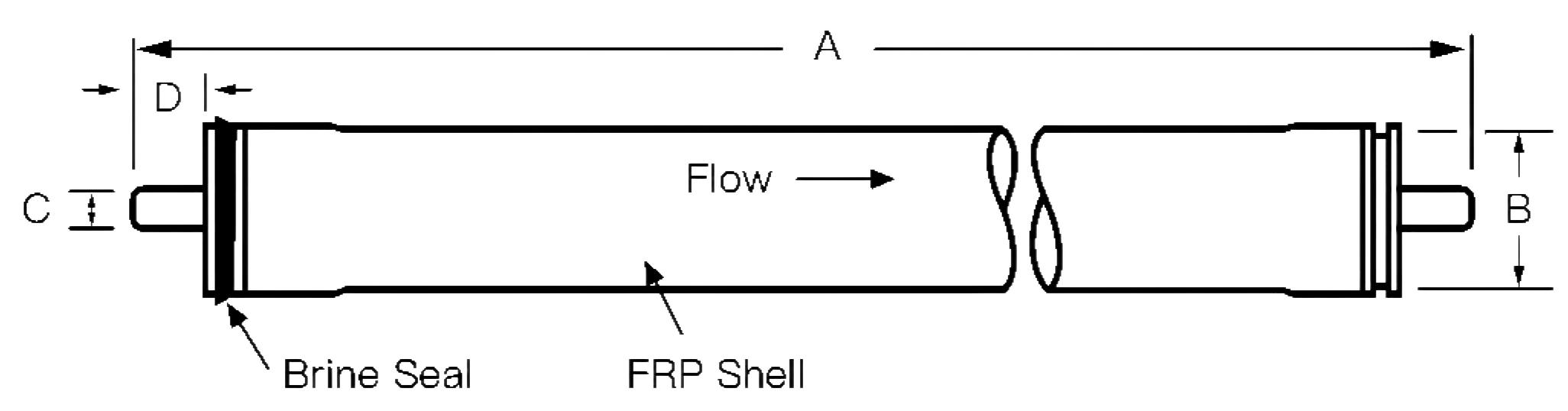
| Model | A | B | C | D |
|
in. (mm) |
in. (mm) |
in. (mm) |
in. (mm) |
|
| 4040 |
40 (1016) |
3.9 (99.7) |
0.75 (19.1) |
1.05 (26.7) |
| 2540 |
40 (1016) |
2.4 (61) |
0.75 (19.1) |
1.19 (30.2) |
Product Parameters
The following performance data is based on standard testing conditions. Actual performance may vary depending on feed water quality and operating parameters.
| Model |
Permeate Flow |
Stable Rejection | Effective Membrane Area |
||
| GPD | m3 /d | % | ft2 | m2 | |
| Acidstab NF-8040 | 3700 | 14.0 | 97 | 350 | 32.5 |
| Acidstab NF-4040 | 900 | 3.4 | 97 | 83 | 7.7 |
| Acidstab NF-2540 | 200 | 0.76 | 97 | 25 | 2.3 |
| Testing Conditions | Operating pressure 110 psi (0.76 MPa) |
|
| Tested at 2000 mg/L MgSO₄ solution |
||
| Temperature at 25℃ |
||
| pH 7.0 ± 0.5 |
||
| Recovery rate at 15% |
||
| Operating Conditions & Limits |
Maximum operating pressure | 510 psi (3.5 MPa) |
| Maximum feedwater flow |
8040-75 gpm (17 m³/h) 4040-16 gpm (3.6 m³/h) 2540-6 gpm (1.4 m³/h) |
|
| Maximum temperature | 45℃ | |
| Maximum feedwater flow SDI15 | 5 | |
| Maximum concentration of free chlorine | <0.1 mg/L | |
| Maximum pressure drop per element | 15 psi (0.1MPa) | |
| Allowed pH range for chemical cleaning | 0-11 | |
| Allowed pH range for feedwater in operation | 0-11 | |





Leave a Message
Scan to wechat :

Scan to Whatsapp :

 Product categories