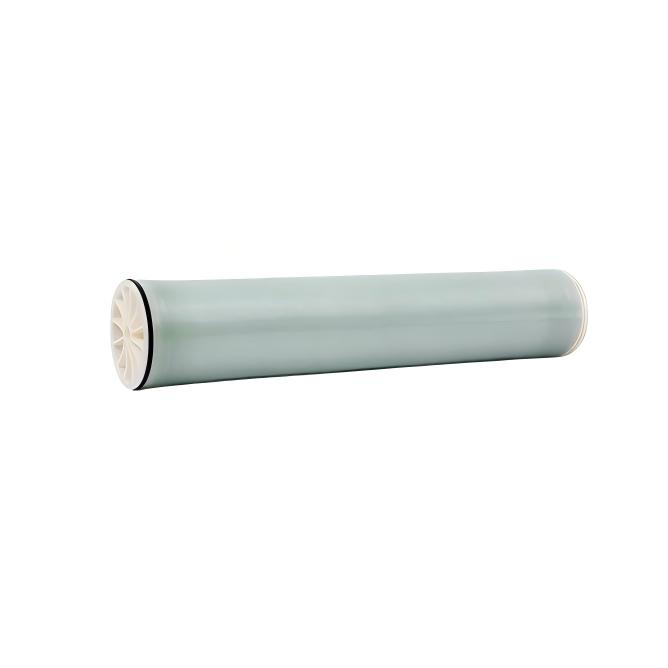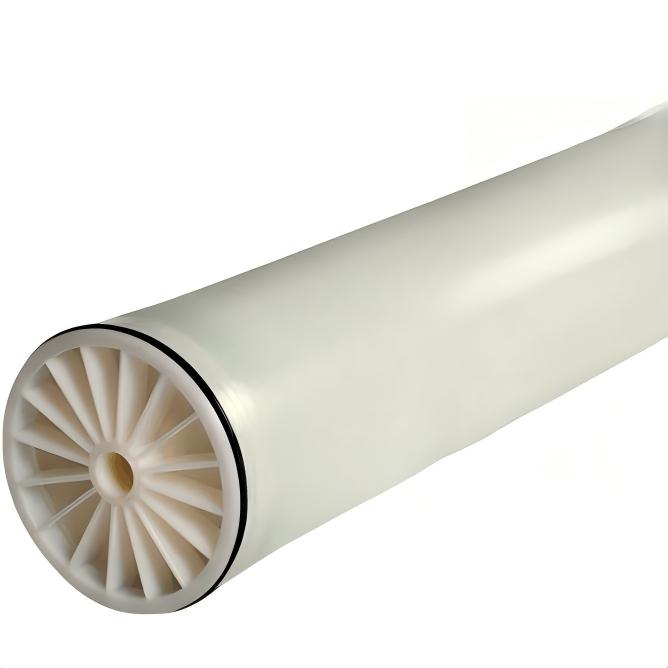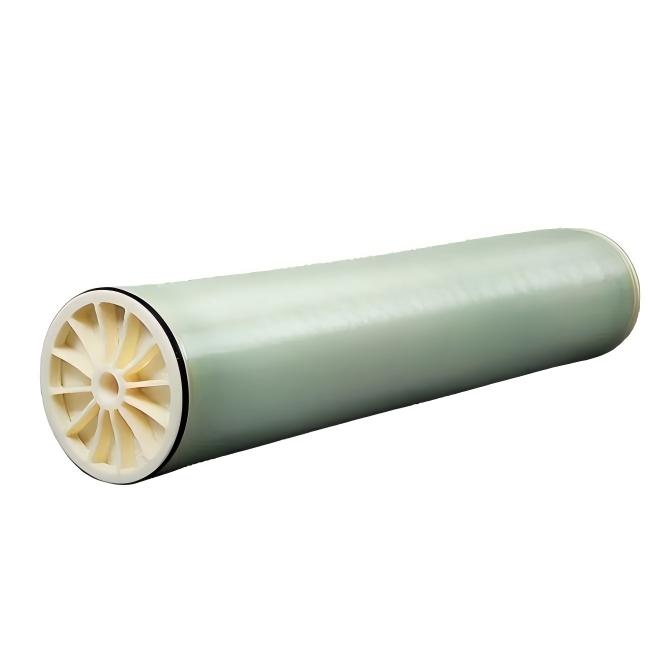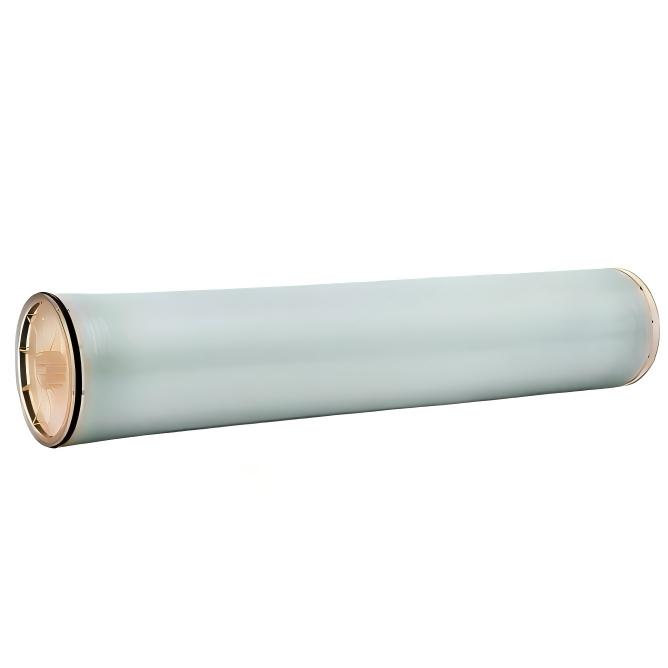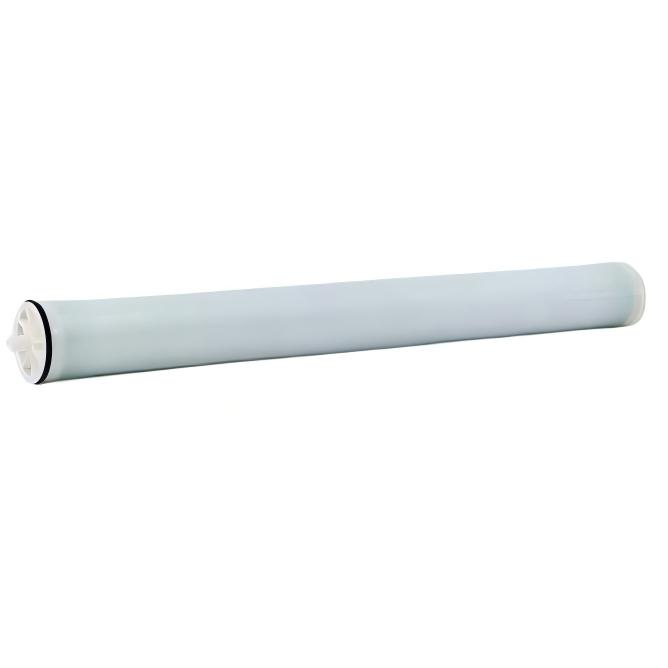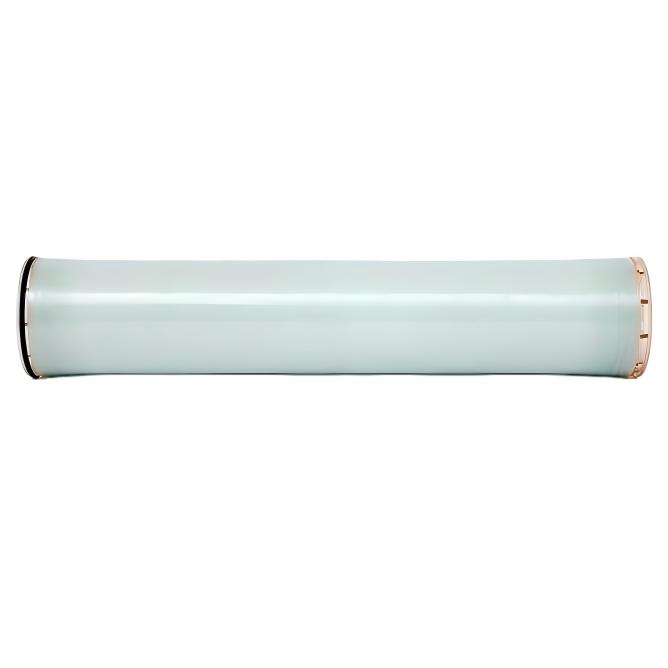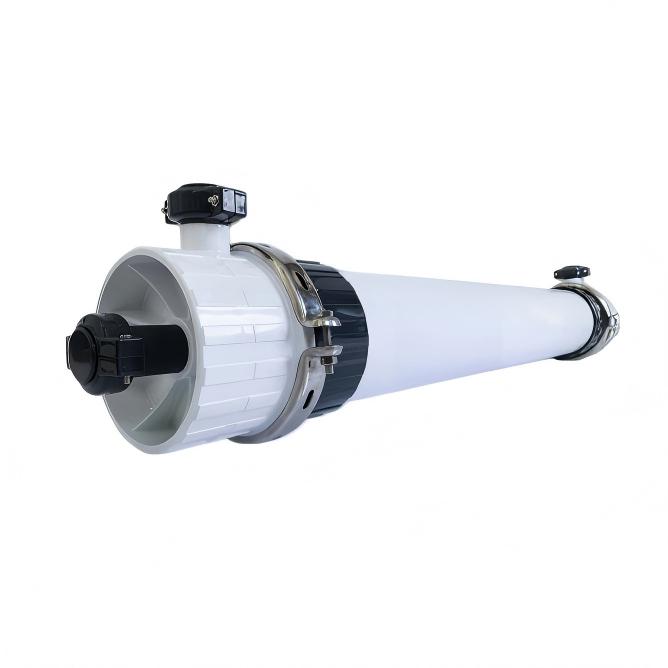
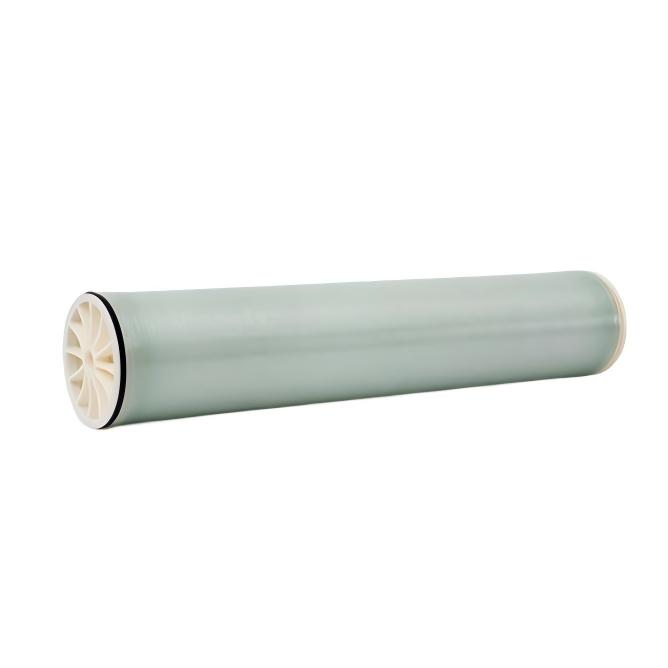
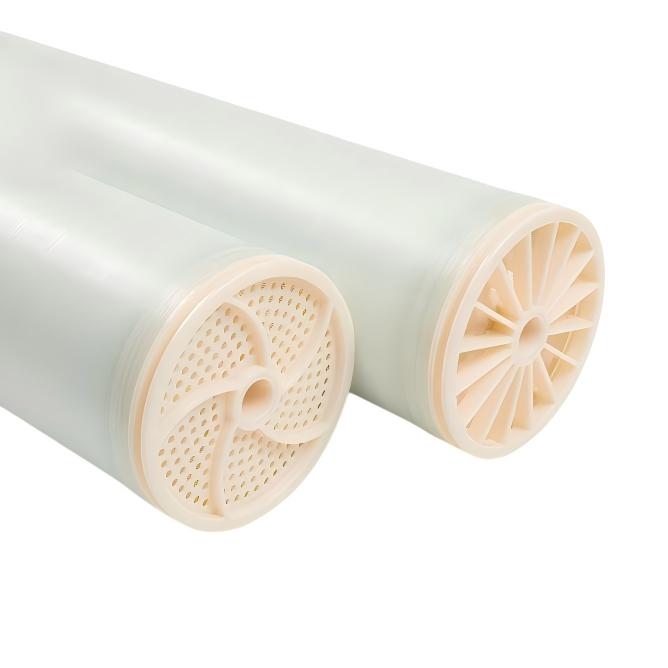
ZERO Series membrane elements are engineered for zero liquid discharge systems where conventional RO membranes fail under high fouling, high salinity, and high recovery conditions.
They deliver stable flux and rejection performance in industrial wastewater concentration and ZLD applications, supporting reliable long-term operation.
ZERO Series - Zero Liquid Discharge (ZLD) Membrane Elements
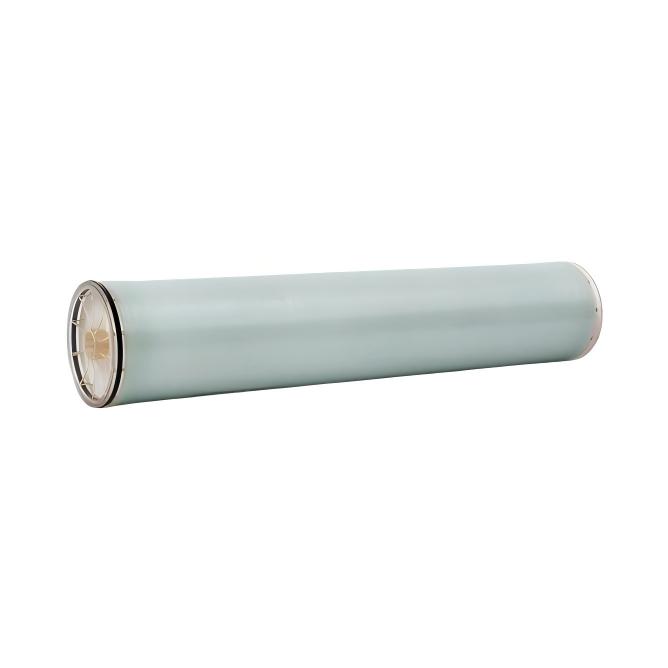
The ZERO Series membrane elements are specifically developed for ZLD membrane concentration processes in industrial wastewater treatment.
By combining reinforced membrane structure, optimized surface properties, and high-pressure resistance, the ZERO Series supports stable concentration performance in ZLD systems handling high-salinity and high-fouling wastewater.
These membranes are supplied to ZLD projects requiring reliable operation before evaporation and crystallization stages.
Key Features
Typical Applications
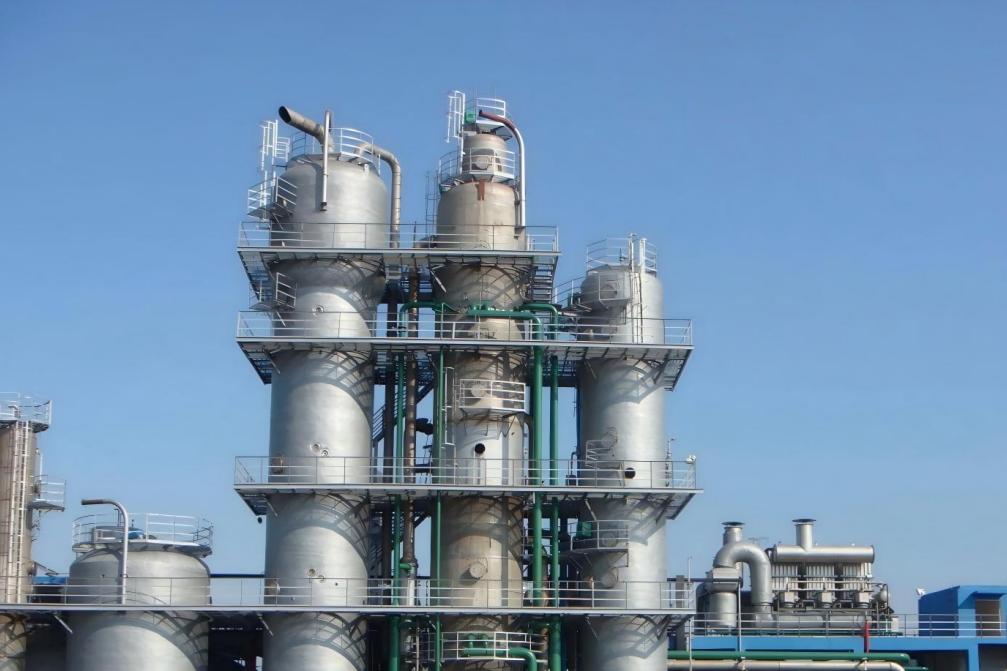
Wastewater Sources
• High-salinity industrial wastewater
• High-COD wastewater
• Concentrated brine from industrial processes
Industries & Systems
• Zero liquid discharge (ZLD) systems
• Chemical and chlor-alkali industries
• Desulfurization wastewater treatment
• Textile and dyeing wastewater treatment
• Industrial wastewater reuse and volume reduction systems
Membrane Element Working Principle
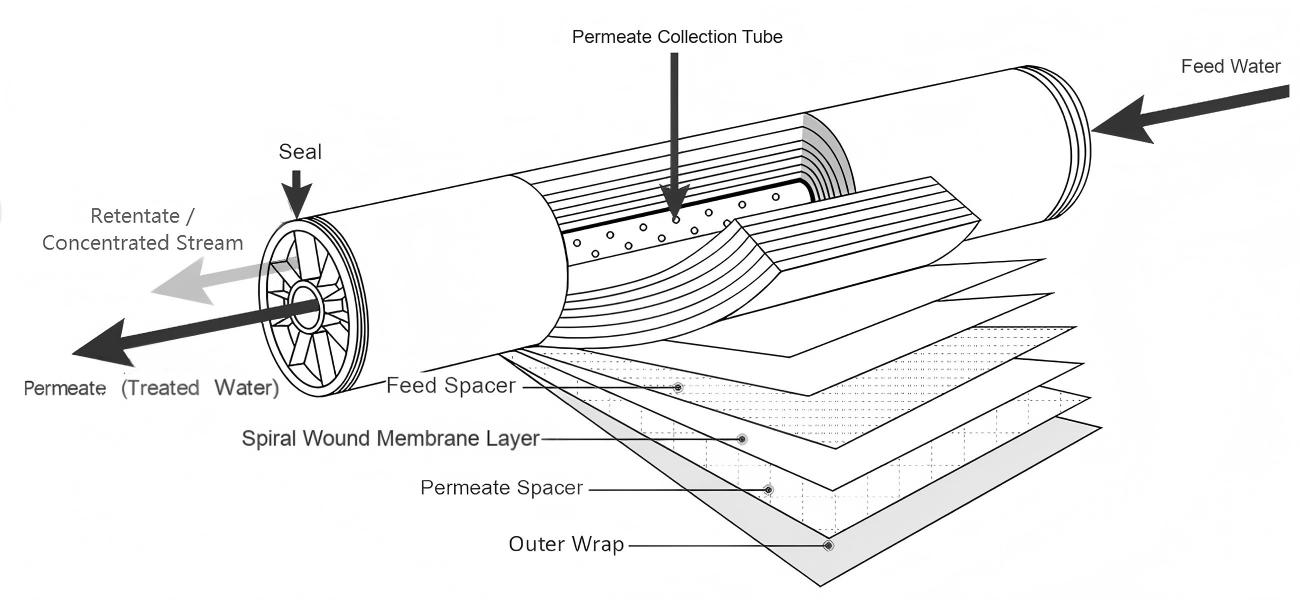
Step 1 – High-Salinity Feed Inlet
High-salinity wastewater enters the ZLD membrane stage under elevated pressure.
Step 2 – Membrane Separation Under High Osmotic Pressure
Water permeates through the membrane while salts and contaminants are concentrated.
Step 3 – Permeate Collection for Reuse or Downstream Treatment
Recovered water is collected for reuse or further treatment.
Step 4 – Concentrate Stream for Further Volume Reduction
Highly concentrated brine is discharged to evaporation or crystallization units.
Step 5 – Continuous Cross-Flow Operation for Fouling Control
The system operates continuously to support stable ZLD process performance.
Technical Specifications
Model Coverage for ZLD Applications
| Model | Membrane Type | Typical Feed TDS | ZLD Process Stage |
| ZERO-FR10 | Fouling Resistant RO | 5–15 g/L | Primary concentration & reuse |
| ZERO-HP70 | High Pressure RO | 15–35 g/L | Intermediate concentration |
| ZERO-UHP120 | Ultra High Pressure RO | 35–70 g/L | Advanced brine concentration |
| ZERO-XS90 | Selective NF | 35–70 g/L | Salt separation & resource recovery |
Product Parameters
The following performance data is based on standard testing conditions. Actual performance may vary depending on feed water quality and operating parameters.
| Model | Permeate Flow | Stable Rejection | Effective Membrane Area | Feed Spacer Thickness | ||
| GPD | m3/d | % | ft2 | m2 | mil | |
| ZERO-FR10 | 11500 | 43.5 | 99.7 | 400 | 37.2 | 34 |
| ZERO-HP701 | 8800 | 33.3 | 99.75 | 400 | 37.2 | 34 |
| ZERO-UHP1202 | 7400 | 28.0 | 99.7 | 400 | 37.2 | 34 |
| ZERO-XS903 | 8300 | 31.4 | 99.0 | 400 | 37.2 | 34 |
| Testing Conditions | Operating pressure 225 psi (1.55 MPa) Tested at 2000 mg/L NaCl solution |
|
| Temperature at 25℃ pH 7.0 ± 0.5 Recovery rate at 15% | ||
| 1/ 2 Operating pressure 800 psi (5.52 MPa) Tested at 32000 mg/L NaCl solution | ||
| Temperature at 25℃ pH 8.0 Recovery rate at 8% |
||
| 3 Operating pressure 100 psi (0.69 MPa) Tested at 2000 mg/L MgSO₄ solution | ||
| Temperature at 25℃ pH 7.0 ± 0.5 Recovery rate at 15% | ||
|
Minimum salt rejection ZERO-FR10 99.6% ZERO-HP70 99.7% ZERO-UHP120 99.65% ZERO-XS90 98.5% |
||
| Operating Conditions & Limits |
Maximum operating pressure |
600 psi (4.14 MPa) 1 1200 psi (8.28 MPa) 2 1740 psi (12.0 MPa) |
| Maximum feedwater temperature | 45℃ | |
| Maximum feedwater flow SDI15 | 5 | |
| Maximum concentration of free chlorine | <0.1 mg/L | |
| Maximum pressure drop per element | 15 psi (0.1MPa) | |
| Allowed pH range for chemical cleaning | 1-13 | |
| Allowed pH range for feedwater in operation | 2-11 | |
| 3 Allowed pH range for chemical cleaning | 2-11 | |
| 3 Allowed pH range for feedwater in operation | 3-10 | |





Leave a Message
Scan to wechat :

Scan to Whatsapp :

 Product categories