
Semiconductor manufacturing is one of the most water-intensive industries in modern manufacturing. Large volumes of ultrapure water (UPW) are required for wafer cleaning, etching, and polishing processes. As a result, semiconductor facilities generate complex wastewater streams containing chemicals, heavy metals, and high concentrations of dissolved salts.
Designing an effective semiconductor wastewater treatment system requires more than conventional industrial wastewater treatment approaches. Engineers must carefully evaluate water chemistry, process variability, and reuse objectives to ensure long-term system stability.
Understanding the Complexity of Semiconductor Wastewater
Unlike many industrial wastewater streams, semiconductor wastewater typically originates from multiple process stages, including wafer fabrication, cleaning, and chemical processing.
These wastewater streams may contain:
Because different manufacturing processes generate wastewater with very different characteristics, treatment systems must be designed with flexibility and process segregation in mind.
In many semiconductor facilities, wastewater streams are separated into different categories, such as acidic wastewater, alkaline wastewater, and fluoride-containing wastewater, allowing more effective treatment for each stream.
The Importance of Stable Pretreatment
One of the most critical factors in semiconductor wastewater treatment design is effective pretreatment.
Chemical precipitation and clarification processes are commonly used to remove heavy metals and suspended solids before advanced treatment. Without proper pretreatment, downstream systems such as membrane filtration may experience severe fouling or scaling.
In a semiconductor-related industrial project we supported, wastewater quality fluctuated significantly due to variable production loads. Early operation showed unstable membrane performance and rapid pressure increase.
After optimizing pretreatment—especially solids removal and chemical dosing control—the system achieved stable operation and consistent effluent quality. This example illustrates a key engineering lesson: membrane technologies perform best when supported by robust upstream pretreatment processes.
Membrane Technologies for Water Reuse
With increasing pressure on water resources, many semiconductor facilities aim to recover and reuse treated wastewater.
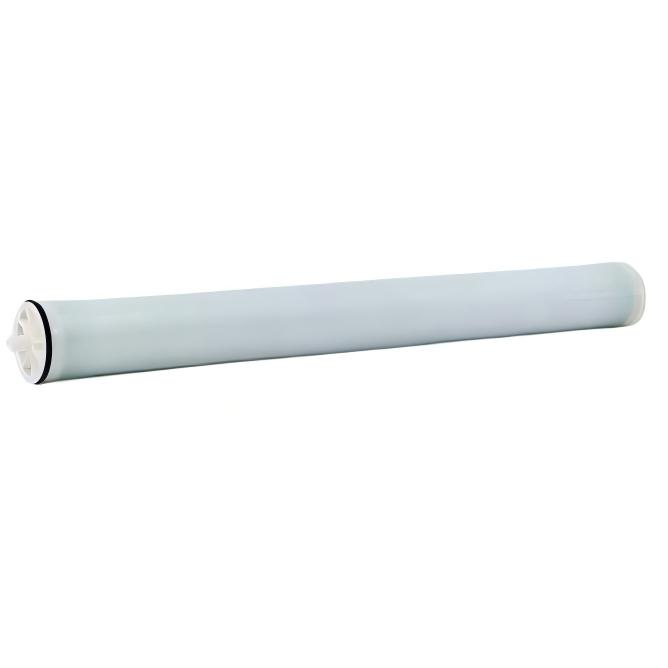
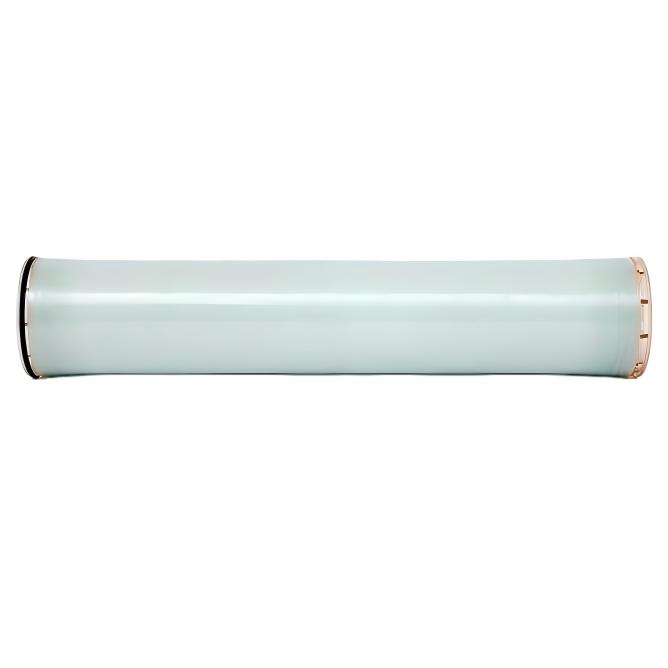
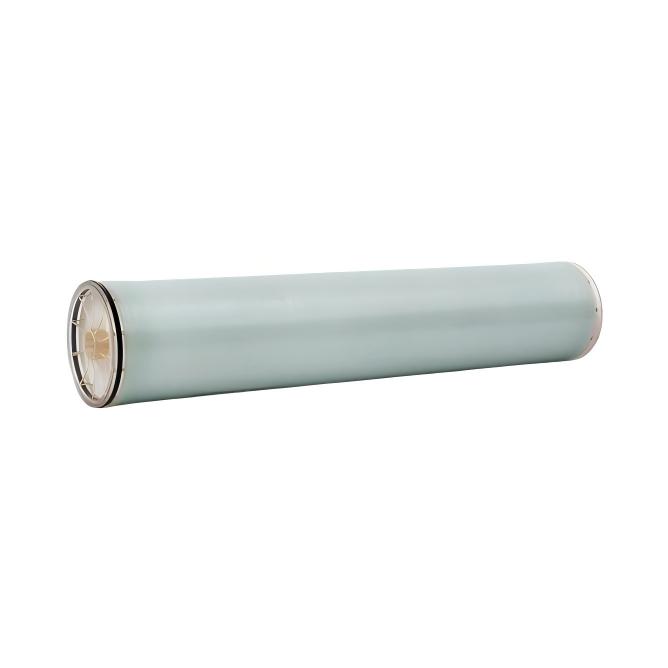
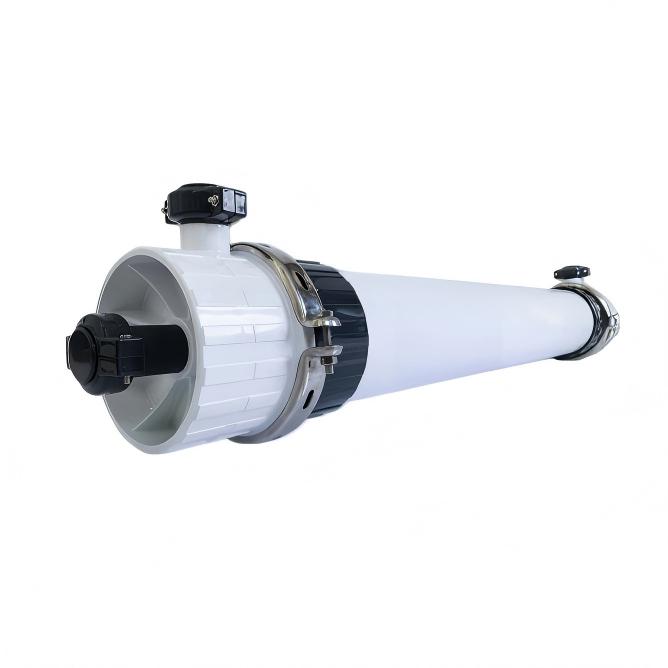
Technologies such as ultrafiltration (UF) and reverse osmosis (RO) play an important role in achieving high-quality water suitable for reuse in non-critical process applications.
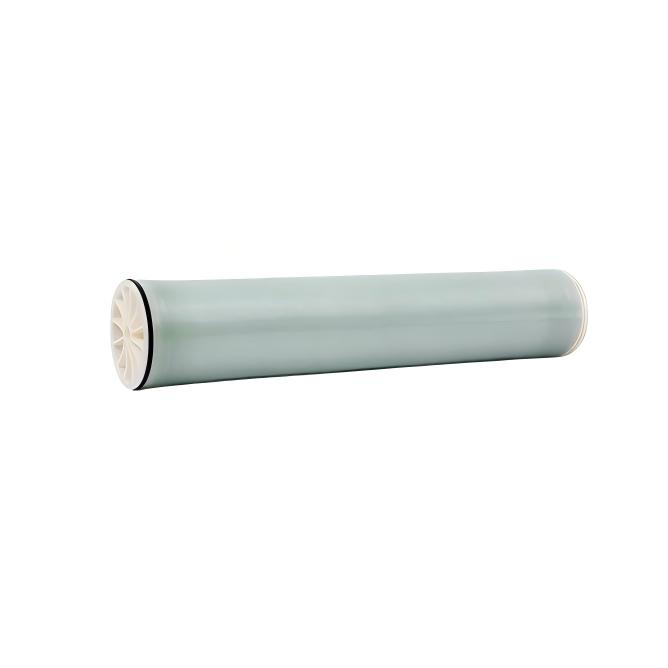
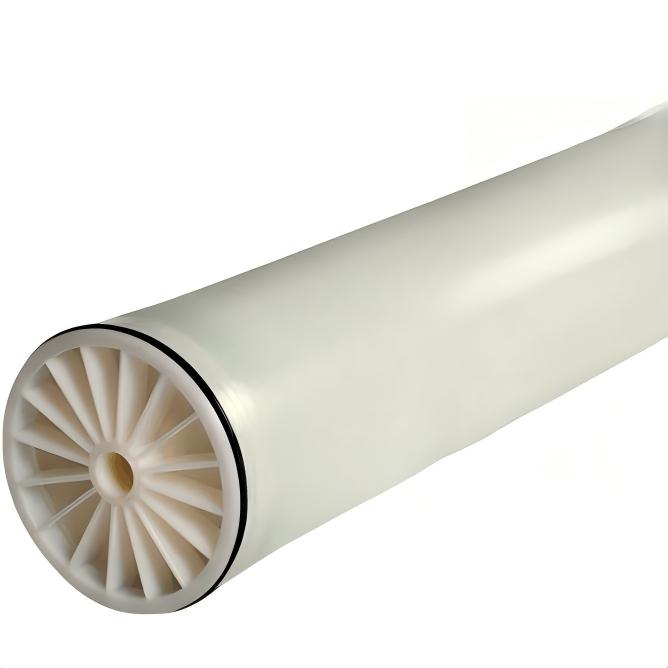
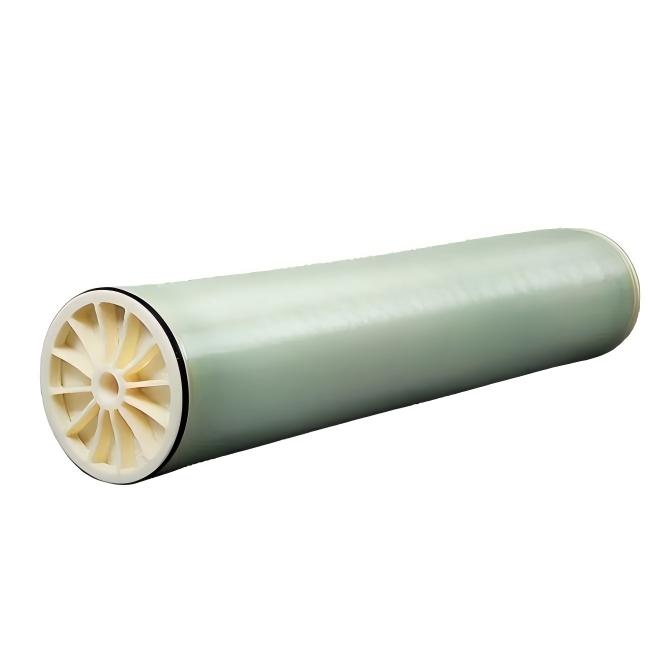
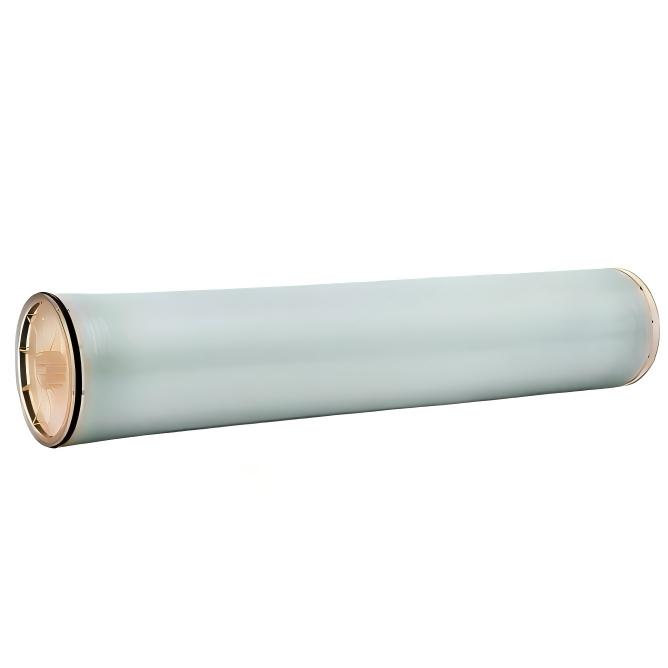
Advanced industrial reverse osmosis systems can remove dissolved salts and trace contaminants, allowing facilities to significantly reduce freshwater consumption.
You may also explore related treatment technologies:
Industrial Reverse Osmosis Membrane Systems
For high-salinity streams and concentrate management, evaporation technologies are often integrated into the treatment system.
MVR Evaporation Systems for High-Salinity Wastewater
Combining membrane separation with evaporation technologies is a common approach for semiconductor plants aiming to achieve high water recovery or zero liquid discharge (ZLD).
Managing High-Salinity Concentrates
Even after advanced membrane treatment, semiconductor wastewater systems often generate concentrated brine streams.
Disposing of high-salinity wastewater is increasingly restricted in many regions due to environmental regulations. As a result, some semiconductor facilities adopt ZLD wastewater treatment systems to minimize or eliminate liquid discharge.
These systems typically integrate:
Pretreatment → Membrane Filtration → RO Concentration → Evaporation / Crystallization
This multi-stage approach maximizes water recovery while converting dissolved salts into manageable solid residues.
Engineering Perspective
From an engineering standpoint, the success of a semiconductor wastewater treatment plant depends not only on selecting the right technology but also on designing a system capable of stable long-term operation.
Key design considerations include:
Facilities that address these factors early in project planning are far more likely to achieve reliable treatment performance and sustainable water reuse.
FAQ
Q: Why is semiconductor wastewater difficult to treat?
A: Semiconductor wastewater often contains a mixture of acids, alkalis, heavy metals, fluoride compounds, and organic chemicals. This complex composition makes treatment more challenging than conventional industrial wastewater.
Q: What technologies are commonly used in semiconductor wastewater treatment?
A: Typical systems combine chemical pretreatment, membrane filtration (UF/RO), and sometimes evaporation technologies to achieve stable treatment and water reuse.





Leave a Message
Scan to wechat :

Scan to Whatsapp :

 Product categories