
In industrial water projects, design capacity often receives the most attention. However, based on our experience delivering wastewater reuse systems across Southeast Asia and the Middle East, the real challenge rarely lies in design — it lies in long-term stable operation.
Many industrial wastewater reuse projects fail not during commissioning, but several months after startup. Understanding why this happens is critical for plant owners, EPC contractors, and engineering teams aiming to achieve sustainable water reuse and avoid costly system downtime.
1. Over-Optimized Design Without Operational Margin
One of the most common issues in industrial wastewater treatment systems is over-optimization during design. Systems are often engineered tightly around initial water quality data, leaving little tolerance for fluctuation.
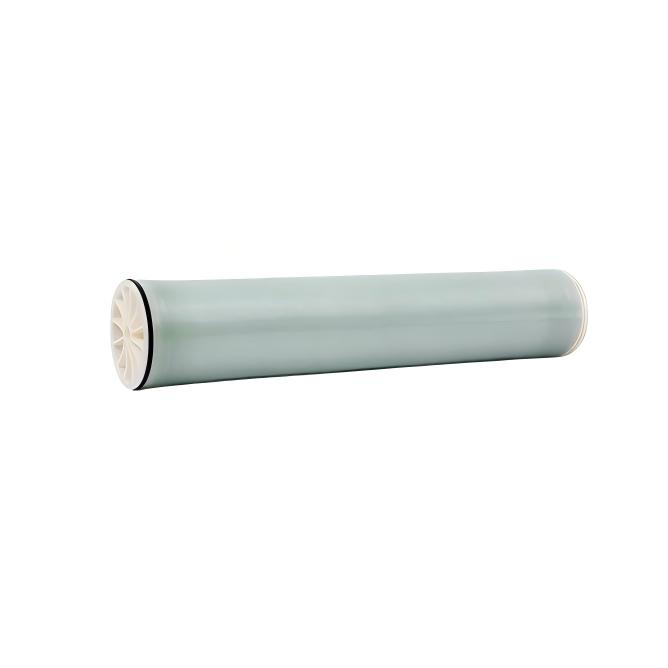
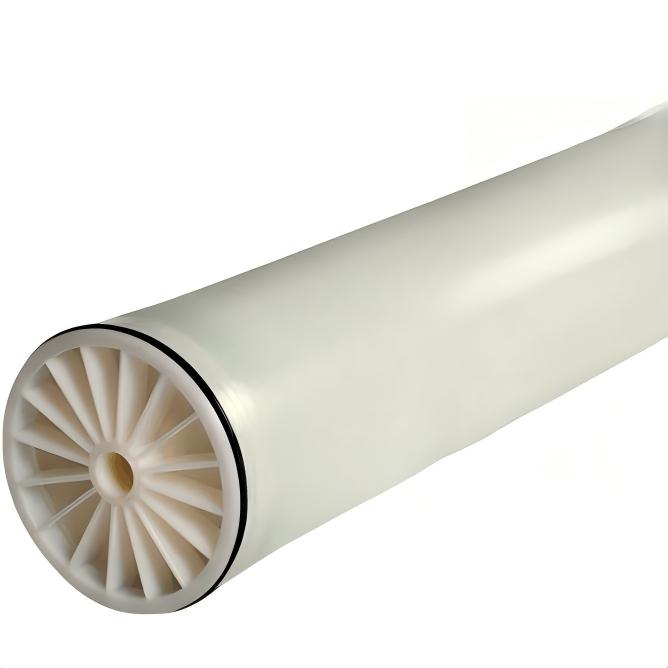
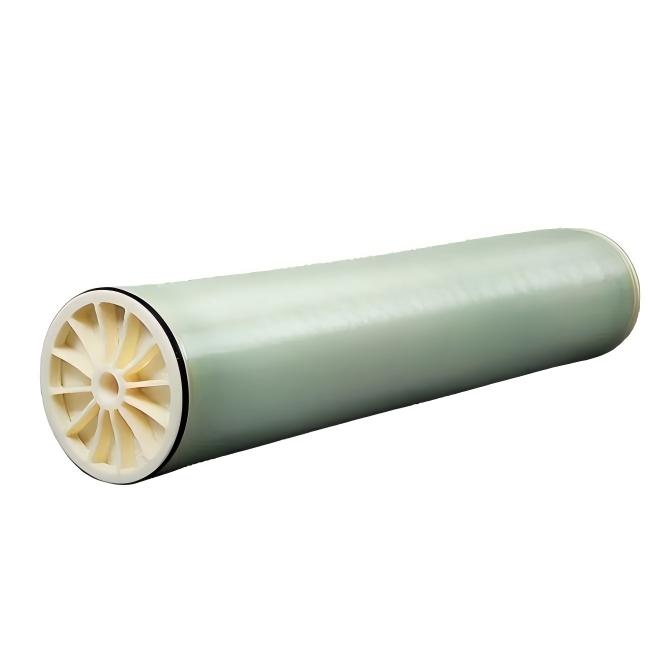
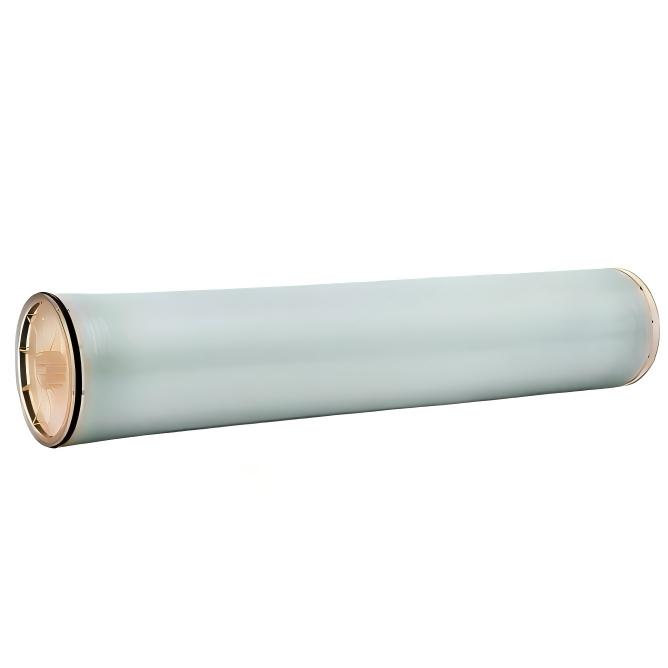
In reality, industrial wastewater characteristics vary significantly — especially in sectors like electroplating, textiles, and chemical processing. When feedwater deviates from design assumptions, membrane systems such as RO or UF can quickly become unstable.
A well-designed system should always include operational redundancy and buffering capacity, not just theoretical efficiency.
2. Inadequate Pretreatment Design
Pretreatment is often underestimated in wastewater reuse projects. However, insufficient removal of suspended solids, hardness, or organics leads directly to membrane fouling, scaling, and performance decline.
For example, in a plating industrial park project we supported, initial operation showed rapid pressure increase in the RO system. The root cause was not the RO itself, but unstable upstream pretreatment performance under variable load conditions.
After optimizing pretreatment — including filtration and chemical dosing control — system stability improved significantly, and water recovery targets were achieved.
3. Lack of Operational Expertise
Even well-designed industrial wastewater reuse systems can fail without proper operation and maintenance. In many projects, local operators are not sufficiently trained in membrane system management, CIP procedures, or process adjustment.
Common issues include:
Over time, these small operational gaps accumulate, leading to irreversible membrane damage or system shutdown.
4. Poor Integration Between Units
Another overlooked factor is system integration. Wastewater reuse systems are not standalone units — they are part of a larger process involving equalization, biological treatment, and advanced polishing.
When coordination between units is weak, even a well-performing subsystem can be affected. For instance:
A successful project requires holistic system control, not isolated equipment performance.
5. Underestimating Long-Term OPEX
Many project decisions are driven by initial CAPEX rather than lifecycle cost. As a result, critical components such as automation systems, monitoring instruments, or high-quality membranes may be compromised.
However, in wastewater reuse projects, operating cost (OPEX) — including energy, chemicals, and maintenance — ultimately determines project viability.
A slightly higher upfront investment often leads to significantly lower long-term operational risk.
⇒For more on cost considerations, see:
/blog/key-factors-affecting-water-treatment-operating-costs
Conclusion: Operation Determines Success
Industrial wastewater reuse is not just an engineering challenge — it is an operational one. Projects that succeed are those designed with real-world variability, operator capability, and long-term stability in mind.
From our experience, the most reliable systems are those that:
For industries aiming to achieve zero liquid discharge (ZLD) or high water recovery, stable operation is not optional — it is the foundation of success.





Leave a Message
Scan to wechat :

Scan to Whatsapp :

 Product categories