
Electroplating wastewater has long been recognized as one of the most challenging categories in industrial wastewater treatment due to its complex composition, high pollutant concentrations, and significant toxicity. As environmental standards continue to tighten and regulatory enforcement becomes more stringent, achieving stable regulatory compliance and resource recovery has become a critical issue for the sustainable development of electroplating enterprises.
Key Technical Challenges
Removal of Heavy Metal Ions
Electroplating wastewater typically contains multiple heavy metal ions, such as copper, nickel, chromium, and zinc. These metals are highly toxic and difficult to degrade. Conventional chemical precipitation methods often struggle to remove multiple heavy metals simultaneously and tend to generate large volumes of metal-laden sludge, increasing the risk of secondary pollution.
Treatment of Complexed Metals
Complexing agents commonly used in electroplating processes—such as EDTA and cyanides—form stable complexes with heavy metals, rendering traditional precipitation ineffective. Breaking these complexes is therefore one of the most critical technical challenges.
Impact of Influent Fluctuations
Electroplating production lines frequently experience significant variations in wastewater quality and flow rate due to product changes and process adjustments, placing high demands on system stability and adaptability.
Limitations in Water Reuse
Even after treatment, electroplating wastewater often contains relatively high salinity, which can negatively affect plating quality if reused directly. The high cost of advanced desalination remains a major constraint on water recycling.
Pressure on Operating Cost Control
High chemical consumption, large sludge generation, and frequent equipment maintenance contribute to elevated operating costs, placing enterprises under dual pressure from environmental compliance and economic performance.
Management Challenges
Strict Requirements for Segregated Collection
Wastewater characteristics vary significantly among different electroplating processes, requiring strict segregated collection and treatment. However, on-site management is complex, and accidental mixing is common.
Rising Sludge Disposal Costs
Sludge containing heavy metals is classified as hazardous waste, and increasingly stringent disposal standards have led to higher treatment and disposal costs, creating a significant financial burden.
Uneven Levels of Automation
Many electroplating facilities still rely heavily on manual operation, resulting in unstable treatment performance and difficulty meeting increasingly stringent real-time monitoring requirements.
Shortage of Specialized Technical Talent
There is a lack of professionals with combined expertise in electroplating processes and wastewater treatment, limiting system optimization and technological upgrading.
Future Development Trends
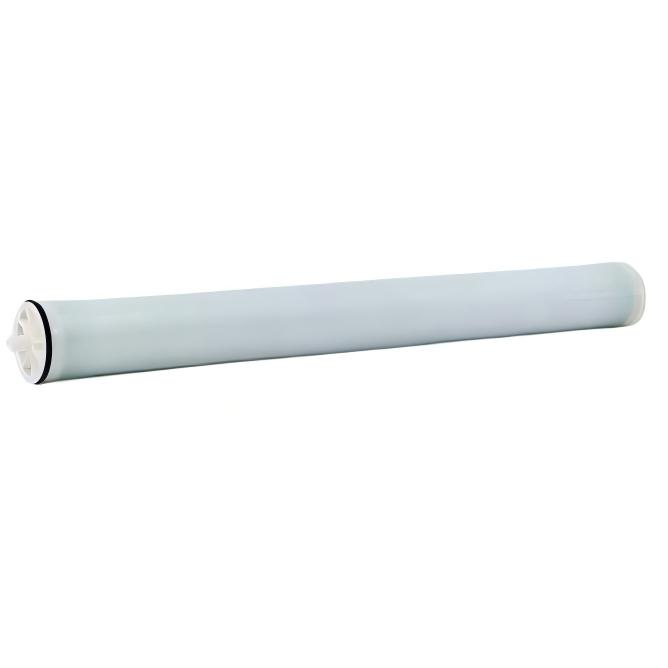
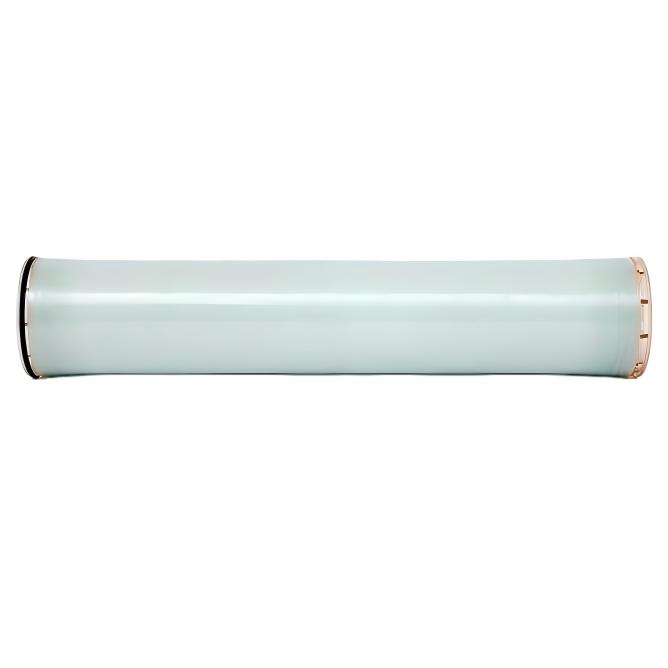
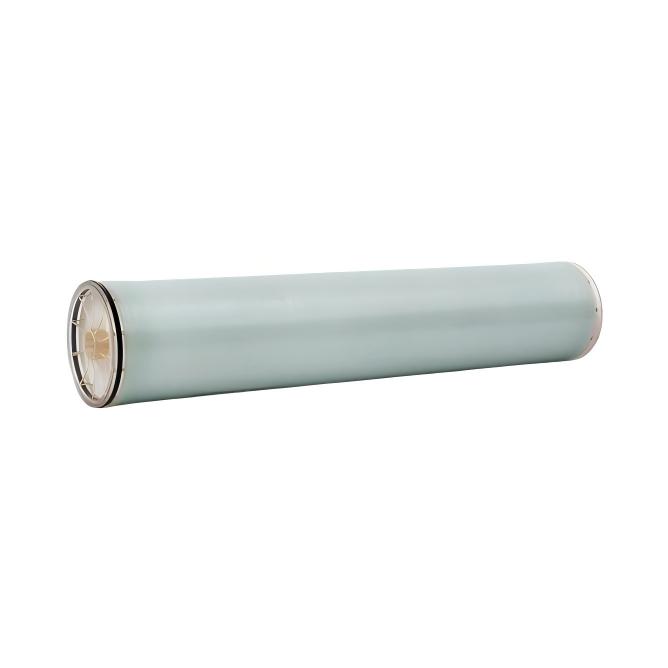
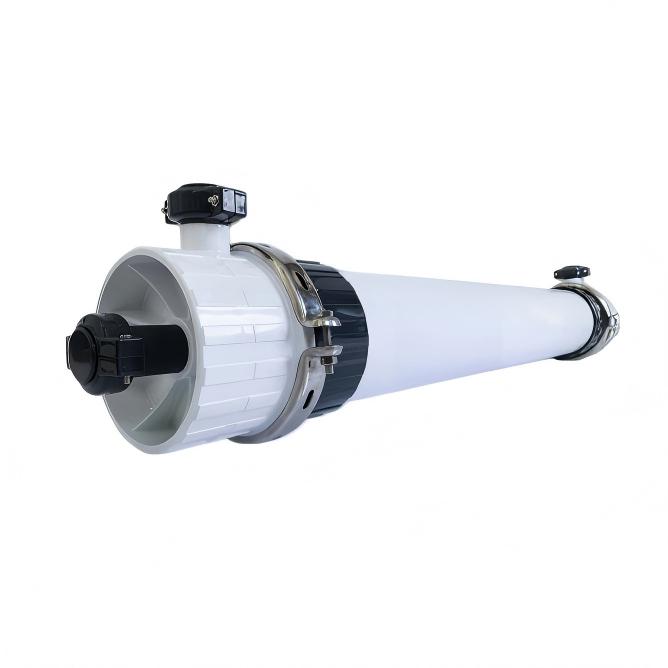
Electroplating wastewater treatment is evolving toward resource recovery, waste minimization, and harmless disposal. Advanced processes such as membrane separation, advanced oxidation processes (AOPs), and electrochemical technologies are being progressively adopted. At the same time, greater emphasis is being placed on source control, process optimization, and closed-loop water management through integrated system solutions.
FAQ
Q1: What is the most critical step in electroplating wastewater treatment?
A: Key steps include heavy metal removal, breakdown of metal complexes, and salinity control. Stable compliance for heavy metals is the top priority.
Q2: How is cyanide-containing wastewater treated?
A: The alkaline chlorination process is commonly used. Strict control of pH and oxidant dosage is essential to ensure complete oxidation and decomposition of cyanides.
Q3: Why does color remain after electroplating wastewater treatment?
A: Possible reasons include incomplete breakdown of complexes, insufficient degradation of organic dyes, or residual color-causing ions such as iron and manganese. Targeted advanced treatment may be required.
Q4: How can treatment costs be reduced?
A: Cost reduction can be achieved through four key measures:
Q5: Can electroplating wastewater achieve zero liquid discharge (ZLD)?
A: Technically feasible, but economically challenging. It requires a combination of advanced treatment technologies and effective management of high-salinity concentrate, resulting in high capital and operating costs.
Q6: What should be considered when selecting treatment technologies?
A: Key considerations include treatment stability, adaptability to influent fluctuations, controllable operating costs, ease of maintenance, and the need for pilot-scale validation.





Leave a Message
Scan to wechat :

Scan to Whatsapp :

 Product categories