
Against the backdrop of increasing water scarcity and tightening environmental regulations, Zero Liquid Discharge (ZLD) and Minimum Liquid Discharge (MLD) have become unavoidable technology options in industrial wastewater management. A clear understanding of the differences between these two approaches directly affects regulatory compliance, investment efficiency, and long-term operational viability.
1. Typical Application Scenarios in Practice
ZLD (Zero Liquid Discharge)
ZLD is applicable where regulations mandate zero discharge or where water resources have exceptionally high value, such as in coal chemical processing, fine chemicals, and certain power generation sectors.
The system converts all wastewater into reusable water and solid salt residues, achieving true zero liquid discharge.
MLD (Minimum Liquid Discharge)
MLD is commonly adopted where a balance between economic efficiency and practical operation is required, such as in general manufacturing and industrial parks.
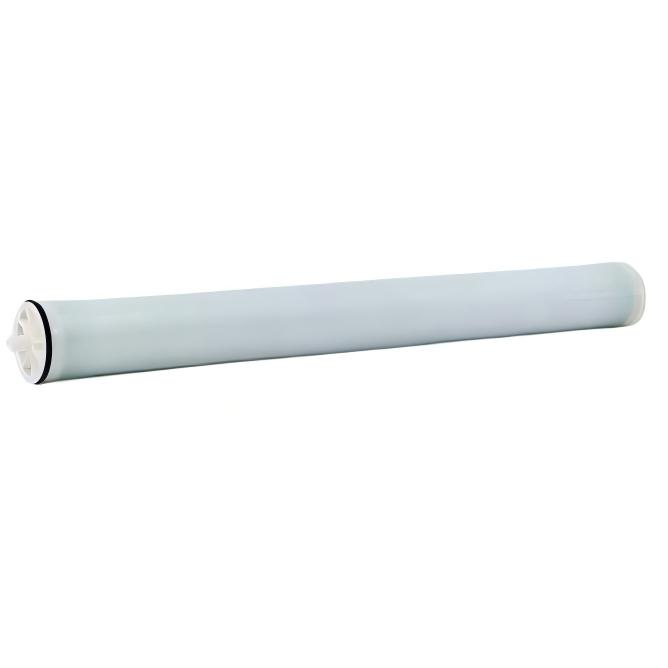
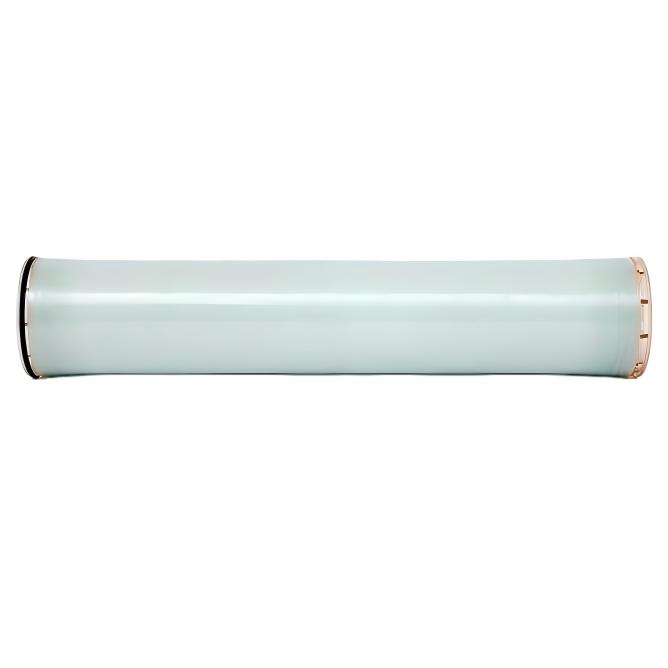
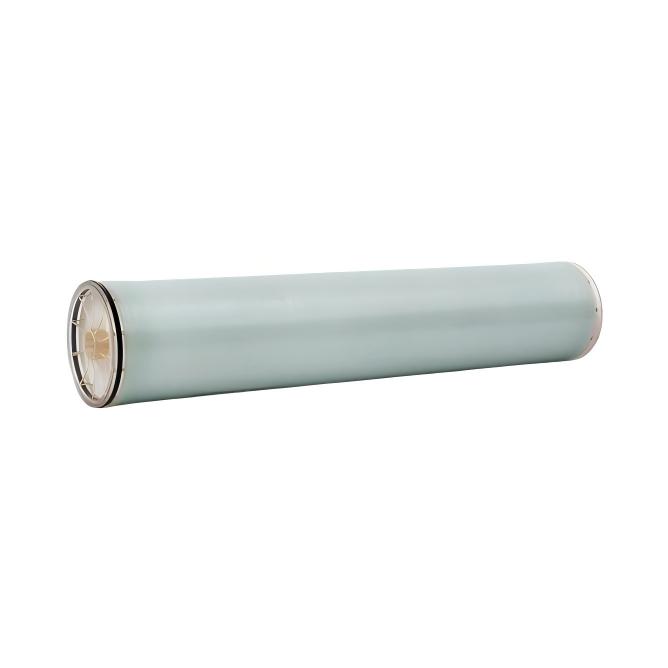
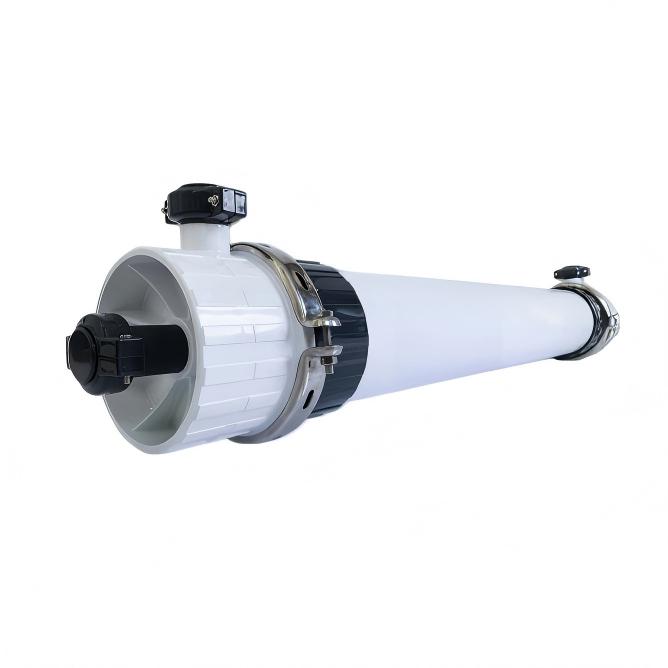
Through high-efficiency technologies such as membrane concentration, MLD typically achieves 90–95% water recovery, with a small volume of concentrate managed through compliant disposal routes.
2. Key Differences in Technology Implementation and Operation
System Complexity
ZLD systems must include energy-intensive evaporation and crystallization units, resulting in highly integrated and complex process control.
MLD systems are comparatively simpler, with membrane concentration as the core, enabling more straightforward operation and maintenance.
Operating Cost Structure
ZLD operating costs are dominated by energy consumption in evaporation and crystallization, accounting for approximately 60–80% of total OPEX.
MLD costs are primarily associated with membrane replacement and concentrate disposal.
By-product Management
ZLD requires viable solutions for the utilization or compliant disposal of crystallized salts.
MLD requires a stable and compliant disposal route for a small volume of concentrate.
3. How to Choose: Four Key Decision Dimensions
Do local regulations explicitly require zero liquid discharge, or is near-zero discharge permitted?
Can the enterprise bear the high capital investment and energy costs of ZLD?
Are the long-term disposal costs associated with MLD manageable?
Do wastewater characteristics—such as salinity, hardness, and organic content—better match one technical route over the other?
Does the enterprise have the expert team and experience required to operate complex systems such as ZLD?
Thus,there is no absolute superiority between ZLD and MLD; the optimal choice lies in alignment with the enterprise’s actual conditions. We recommend:
Technology selection should ultimately support sustainable and stable operation, rather than the pursuit of technical advancement alone.
FAQ
Q1: How is concentrate from MLD systems typically treated?
A: Common options include off-site treatment by licensed contractors, centralized disposal within industrial parks, or compliant evaporation methods, ensuring a legally acceptable and stable final destination.
Q2: What are the main operational risks of ZLD systems?
A: Key risks are associated with scaling, fouling, and blockage in evaporation and crystallization units, energy consumption fluctuations, and regulatory compliance in salt disposal.
Q3: Is it convenient to upgrade from MLD to ZLD?
A: If sufficient space and interfaces are reserved during the initial design phase, upgrading is technically feasible, though system integration and re-commissioning are required.
Q4: How can a preliminary decision between ZLD and MLD be made?
A: Three guiding questions are recommended:
Ps. Pilot testing is strongly advised.





Leave a Message
Scan to wechat :

Scan to Whatsapp :

 Product categories