
Compliance is one of the most critical aspects of any industrial water project. While system design often focuses on meeting discharge standards, many facilities face challenges not at commissioning—but during operation. Understanding common compliance risks in industrial water projects is essential to ensure long-term stability and avoid costly penalties.
Risk 1: Inconsistent Effluent Quality
One of the most frequent issues in industrial wastewater compliance is unstable effluent quality.
In many projects, systems are designed based on average wastewater conditions. However, real production environments are dynamic. Variations in flow rate, pollutant concentration, and chemical dosing can lead to fluctuations in treated water quality.
In a surface treatment industrial park project, wastewater composition varied significantly due to multiple electroplating processes. During early operation, this variability caused occasional exceedance of discharge limits.
After optimizing equalization capacity and pretreatment control, the system achieved stable compliance. This highlights an important lesson:
compliance depends on stability, not just design specifications.
Risk 2: Inadequate Pretreatment Design
Poor pretreatment is one of the leading causes of compliance failure.
If heavy metals, suspended solids, or oils are not effectively removed at the front end, downstream processes—especially membrane systems—may underperform. This can result in incomplete removal of contaminants and non-compliant discharge.
From an engineering perspective, robust pretreatment is the foundation of regulatory compliance in wastewater treatment systems.
Risk 3: Over-Reliance on a Single Technology
Another common issue in industrial water treatment system design is relying too heavily on a single process.
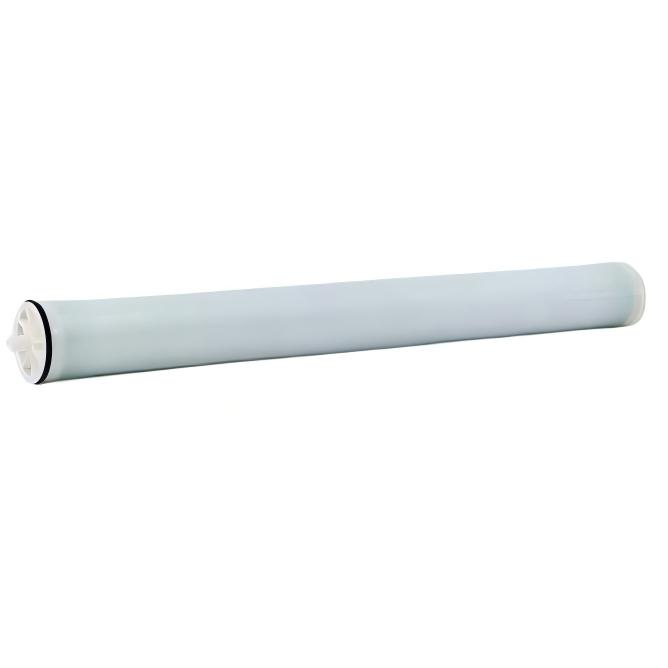
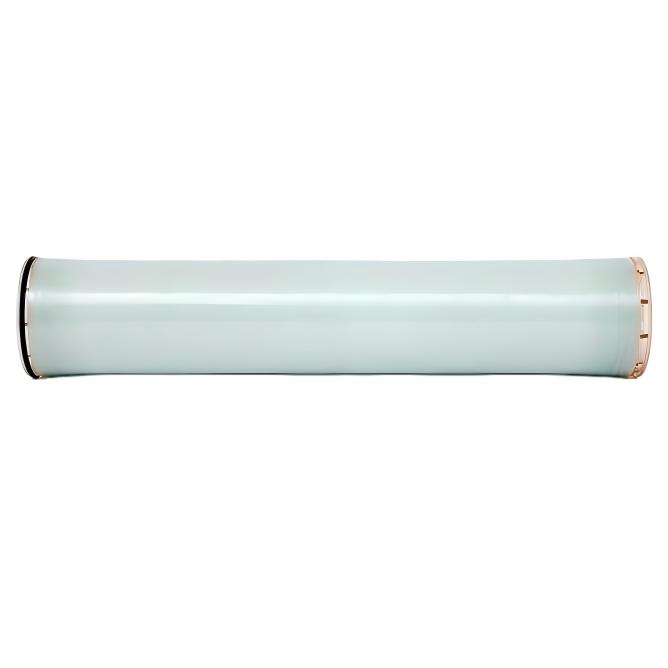
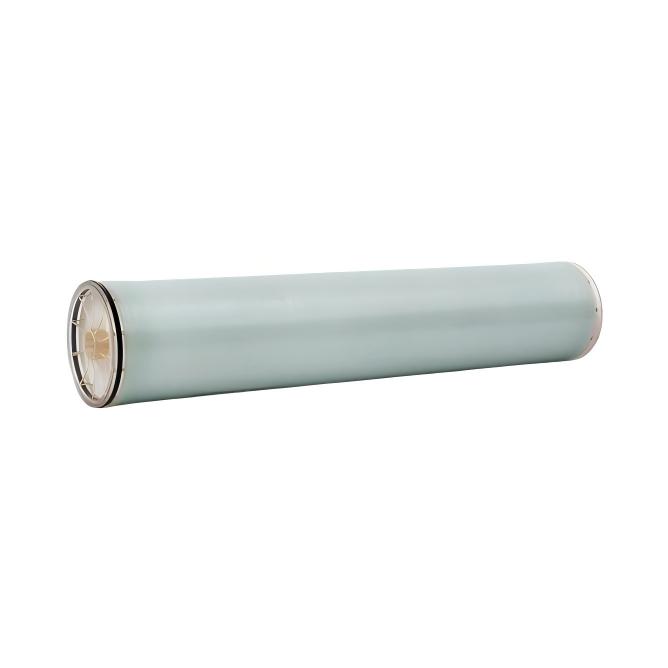
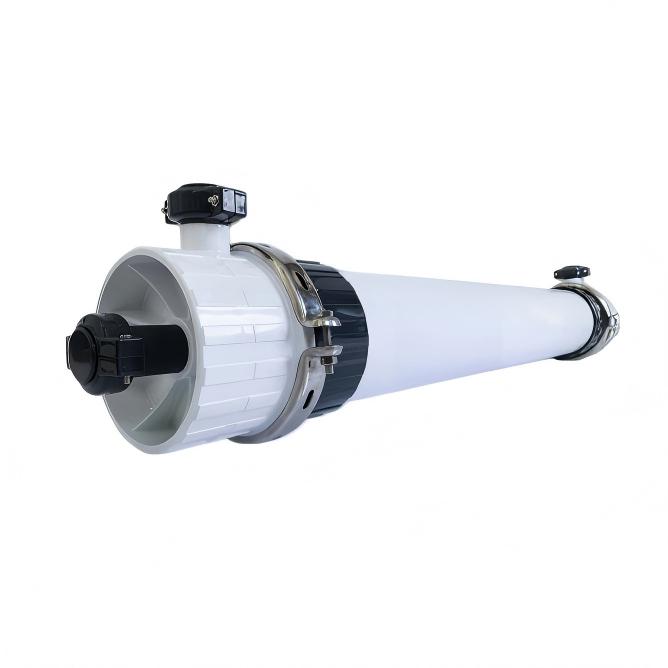
For example, using only membrane systems without sufficient upstream treatment may lead to fouling and reduced efficiency. Similarly, relying solely on chemical treatment may not achieve the required removal of dissolved contaminants.
Effective systems typically integrate multiple processes:
Pretreatment → Clarification → Filtration → Advanced Treatment
⇒Related solution:
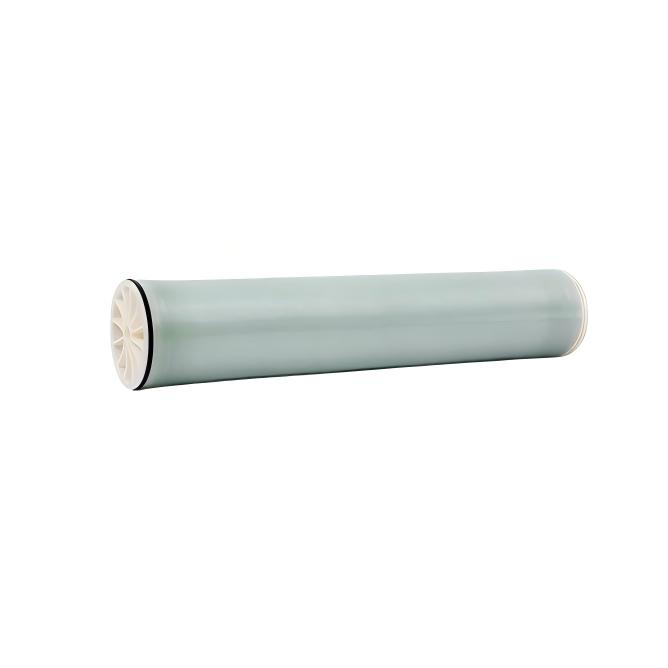
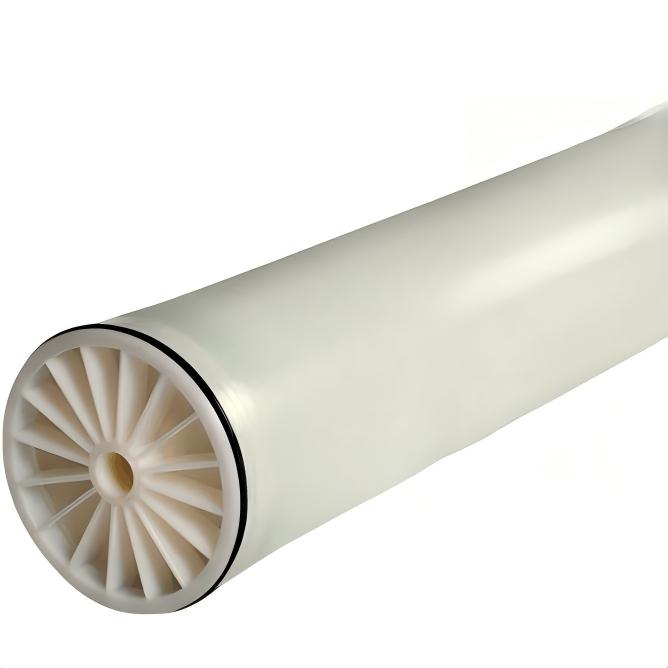
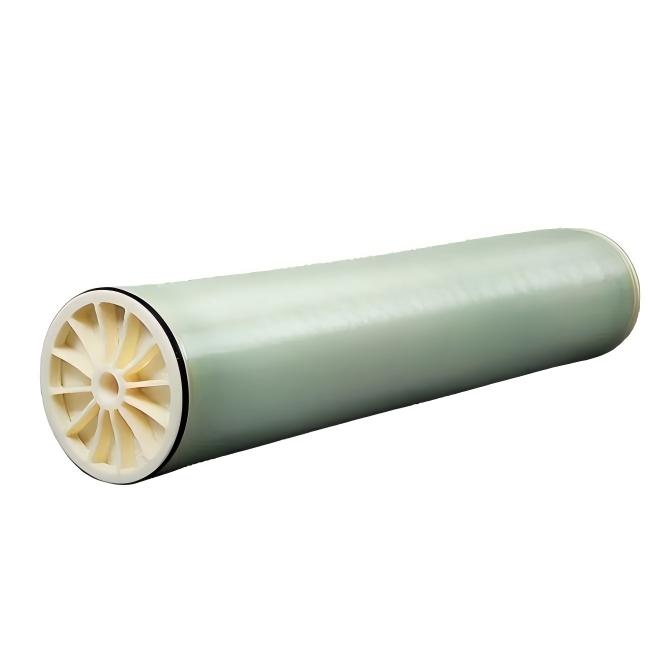
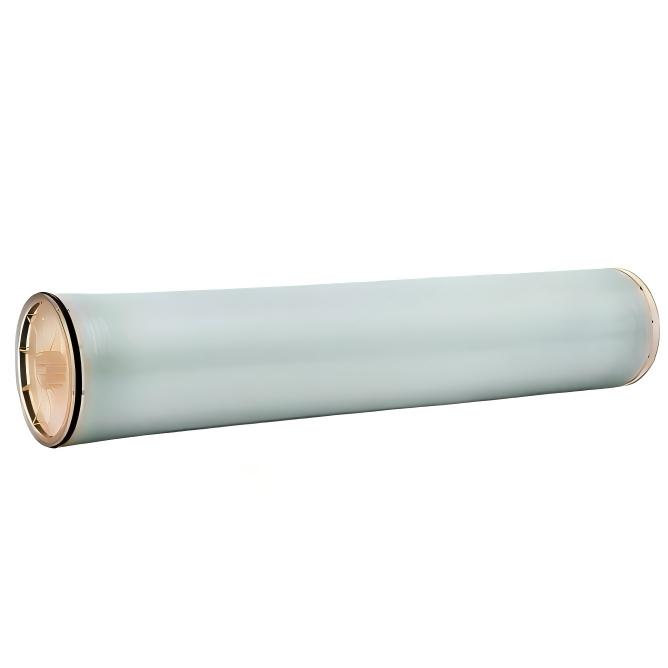
Industrial Reverse Osmosis Systems
A multi-stage design improves both performance and compliance reliability.
Risk 4: Poor Concentrate and Sludge Management
Compliance is not only about treated water—it also involves handling residual waste streams such as sludge and concentrate.
In high-recovery systems, particularly those aiming for zero liquid discharge (ZLD), improper management of concentrated brine can create compliance risks.
Evaporation technologies are often used to reduce liquid waste volume and ensure proper disposal.
⇒Learn more about:
Failing to address concentrate handling early in the design phase can lead to operational bottlenecks and regulatory issues later.
Risk 5: Lack of Operational Flexibility
Many compliance failures occur because systems are designed for fixed conditions but operate under variable loads.
Industrial processes rarely run at constant capacity. Without flexibility—such as adjustable dosing, buffer capacity, or modular design—systems may struggle to maintain compliance during peak or low-load conditions.
In practice, systems that include equalization, flexible control strategies, and contingency design are more resilient and better able to meet discharge requirements consistently.
Engineering Perspective
From an engineering standpoint, compliance is not achieved by design alone—it is maintained through operation.
Projects that consistently meet industrial wastewater discharge standards typically share these characteristics:
Facilities that focus only on initial compliance during commissioning often face challenges later, while those that design for long-term operation are more likely to maintain compliance over time.
FAQ
Q: What is the biggest compliance risk in industrial wastewater treatment?
A: Unstable operation is often the biggest risk, as it leads to fluctuations in effluent quality and potential exceedance of discharge limits.
Q: How can compliance risks be reduced?
A: Compliance risks can be reduced through proper system design, robust pretreatment, multi-stage treatment integration, and ongoing operational control.





Leave a Message
Scan to wechat :

Scan to Whatsapp :

 Product categories