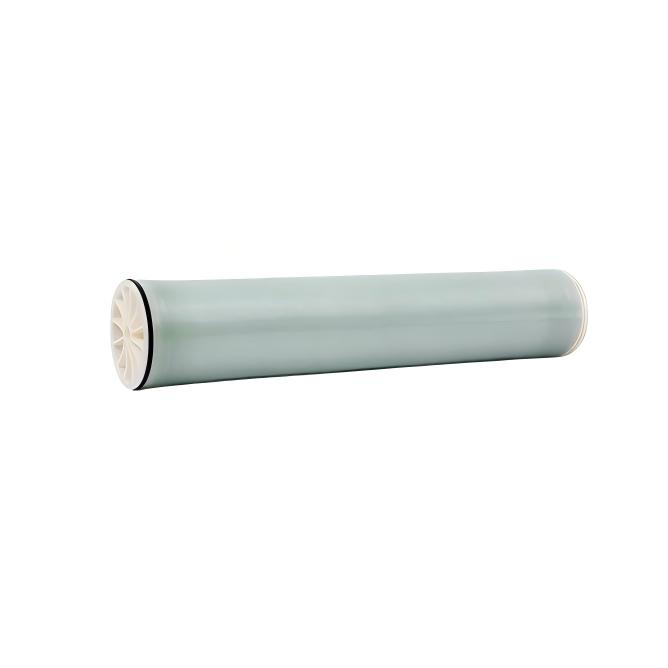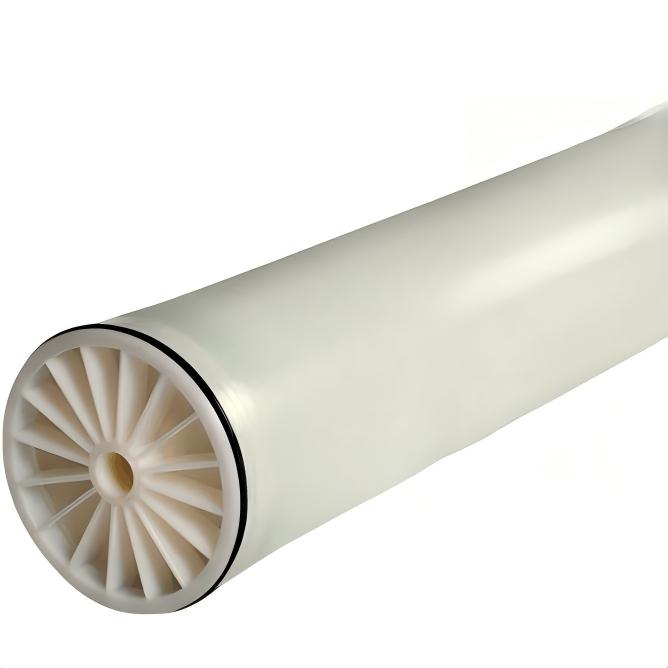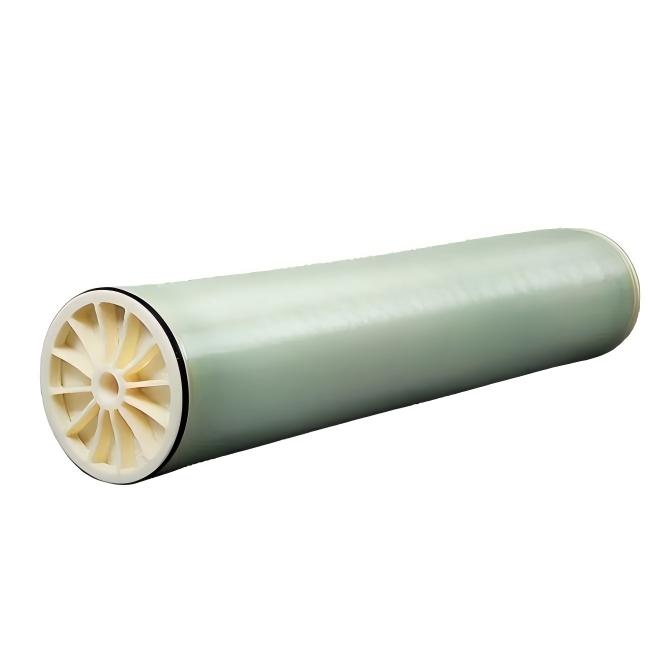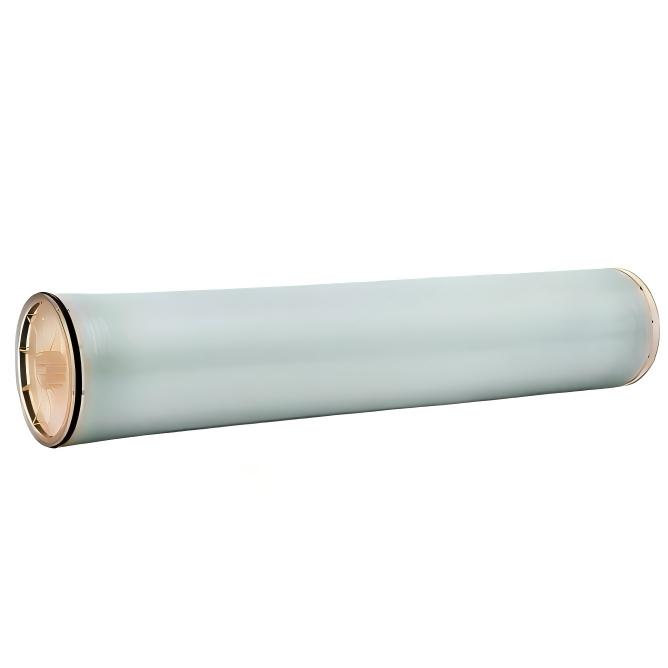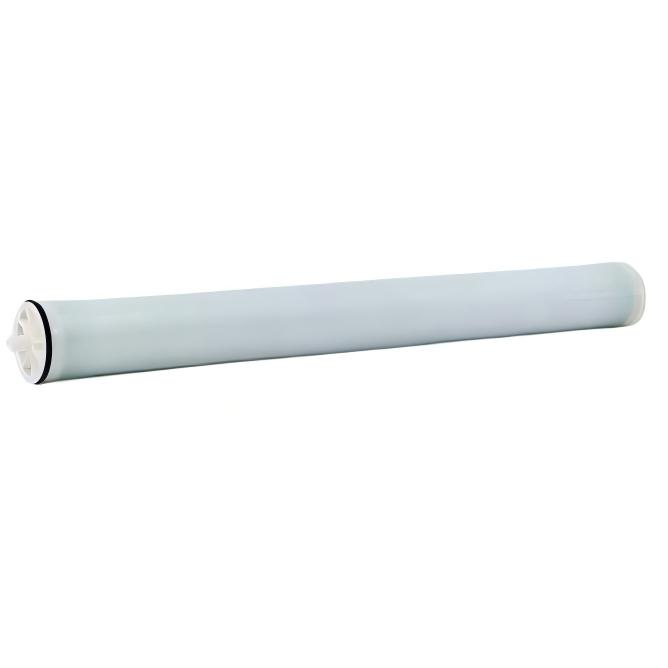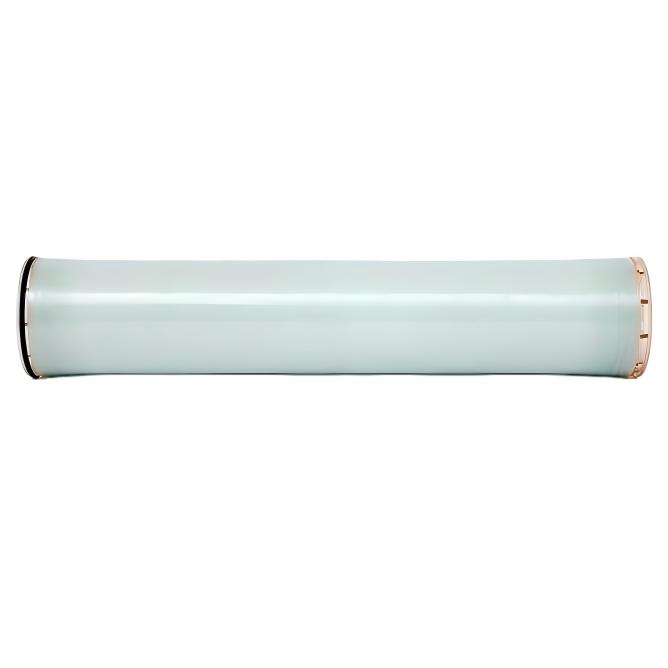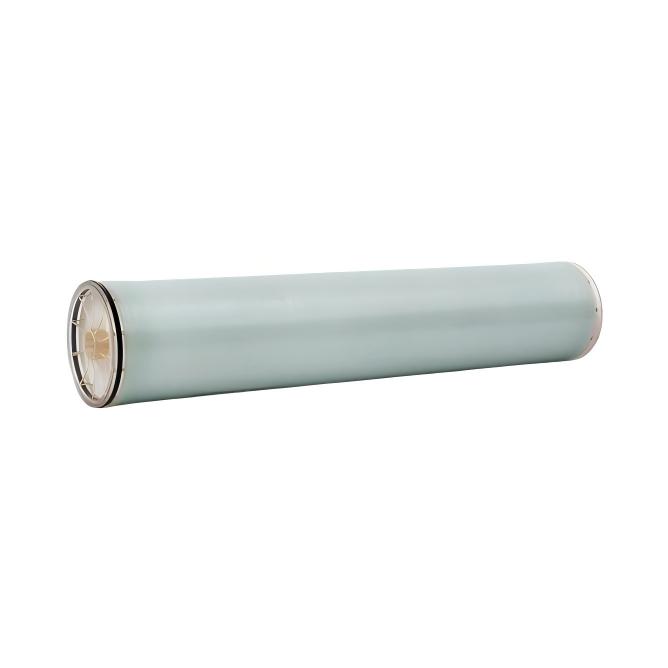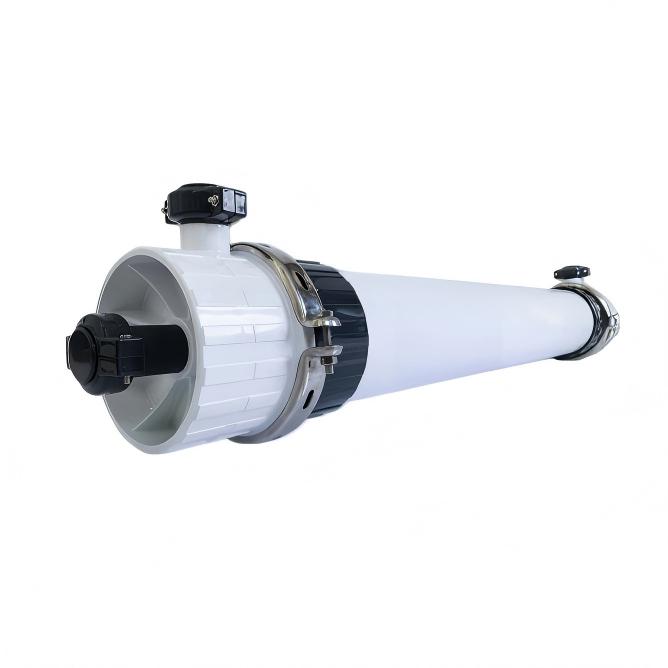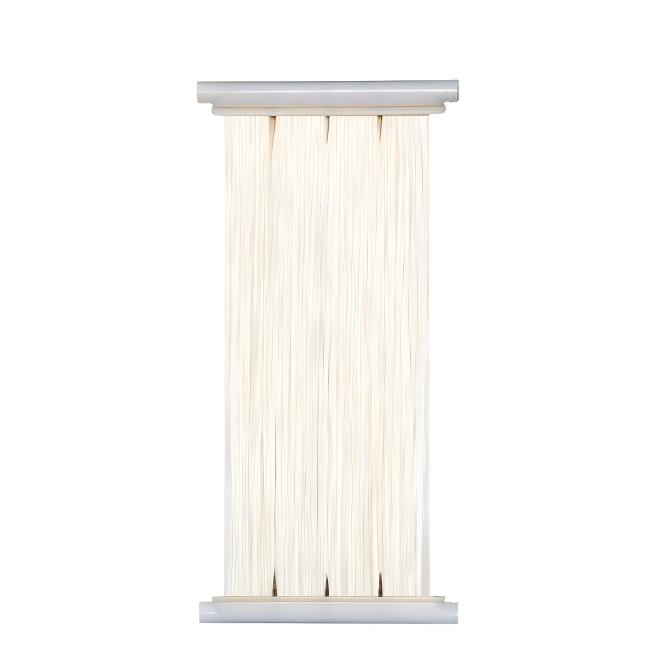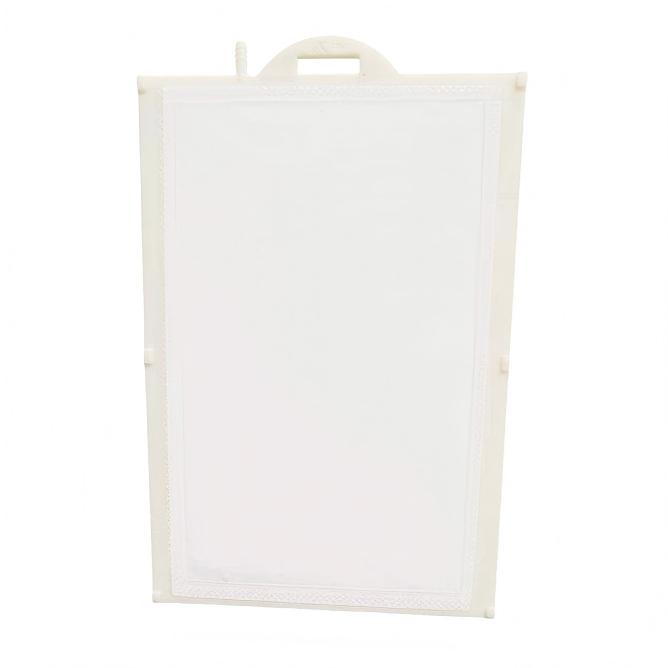
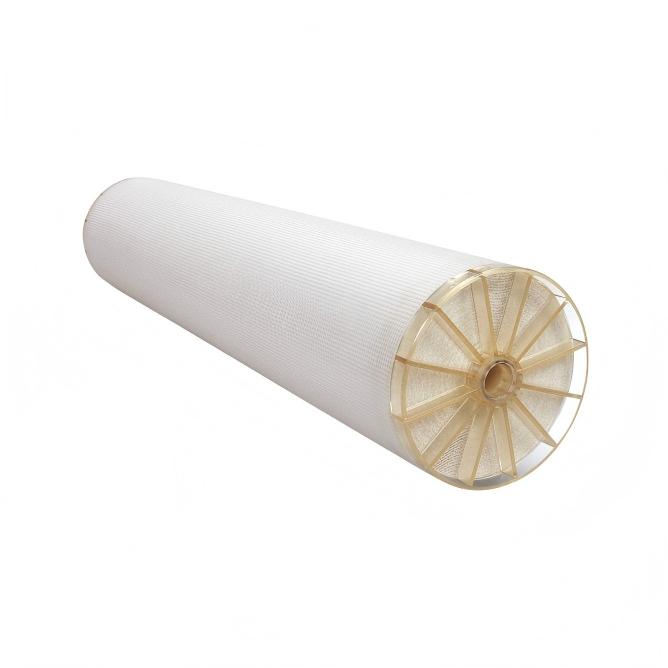
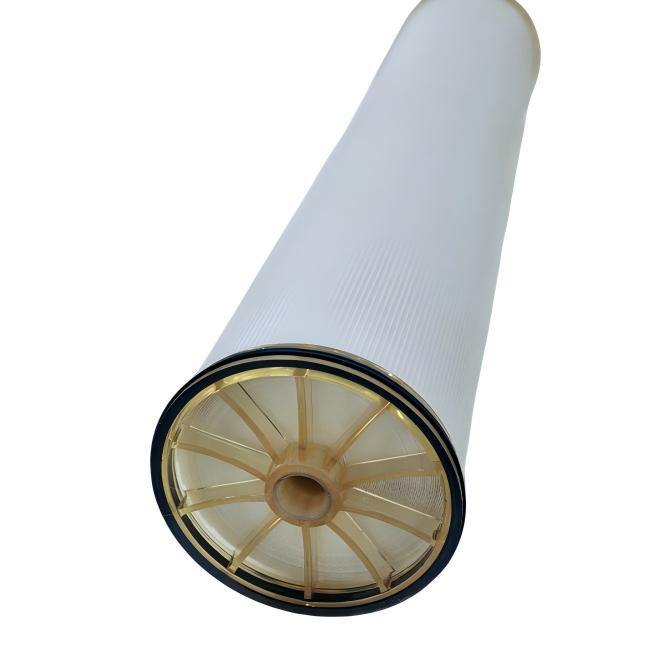
EUF Series spiral wound ultrafiltration membrane elements are designed for high-precision separation of macromolecules, colloids, and organic impurities in water and process streams. Manufactured with advanced polyethersulfone (PES) membranes and thermal rotary welding technology, the EUF Series delivers uniform pore structure, low pressure drop, and long-term operational stability.
They are widely applied in water purification, RO pretreatment, and industrial separation processes requiring reliable ultrafiltration performance.
EUF Series - Spiral Wound Ultrafiltration Membrane Elements
The EUF Series spiral wound ultrafiltration membrane elements utilize a tightly wound membrane structure with optimized flow channels to deliver efficient solid–liquid separation in a compact module design.
By combining high separation accuracy with stable hydraulic performance, the EUF Series supports consistent operation under fluctuating feed water conditions, making it suitable for continuous industrial and municipal treatment processes.
Key Features
Typical Applications
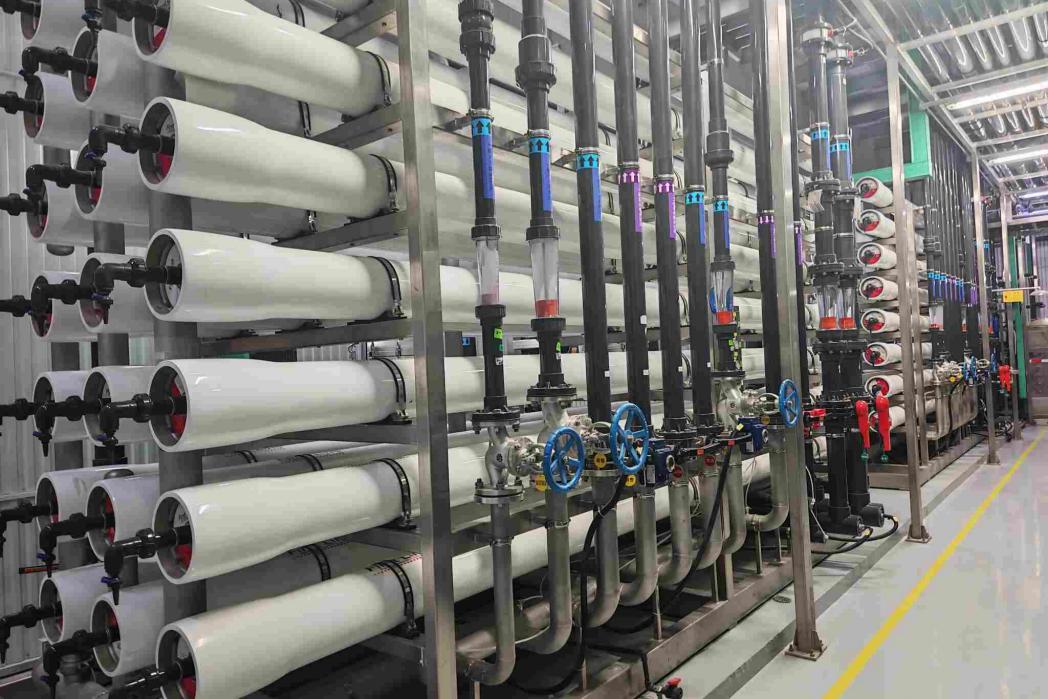
• RO pretreatment systems for fouling and turbidity control
• Electronic-grade and ultrapure water production
• Drinking water and municipal water treatment
• Industrial process water purification
• Biochemical and pharmaceutical separation
• Food and beverage concentration and purification
Membrane Element Working Principle
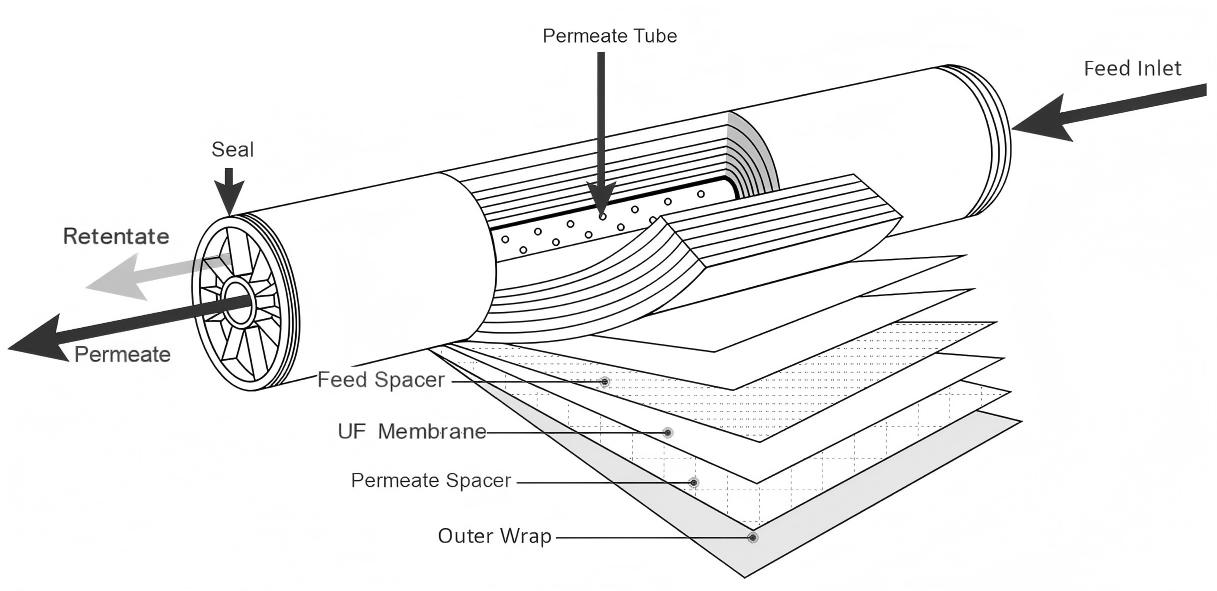
Step 1 – Feed Water Inlet
Feed water enters the membrane element under controlled pressure.
Step 2 – Physical Sieving Through UF Membrane
Suspended solids, colloids, and microorganisms are retained by the UF membrane, while permeate passes through.
Step 3 – Filtrate Collection
Filtered water is collected through the central permeate tube.
Step 4 – Concentrate Retention And Discharge
Concentrated solids are discharged for further treatment or removal.
Step 5 – Backwash And Recovery Operation
The system operates continuously with stable flux and separation performance.
Technical Specifications
Product Dimensions
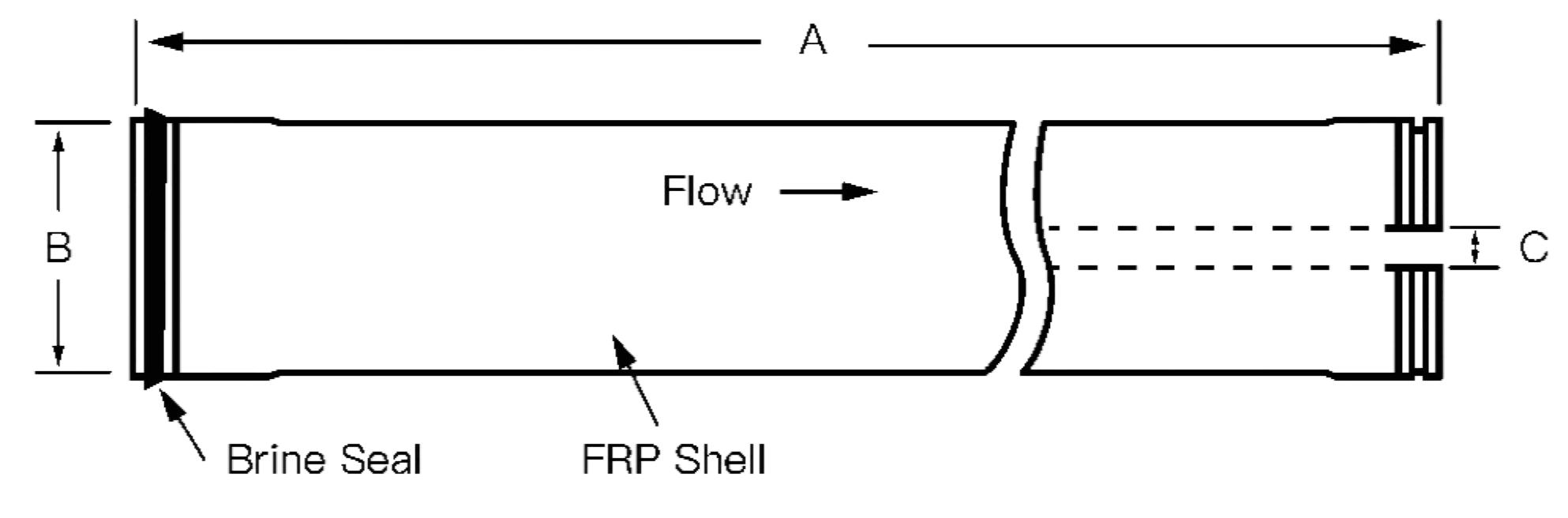
| Dimensions | in. (mm) |
| A | 40 (1016) |
| B | 7.9 (201) |
| C | 1.05 (26.7) |
Product Parameters
The following performance data is based on standard testing conditions. Actual performance may vary depending on feed water quality and operating parameters.
| Model |
Permeate Flow |
Effective Membrane Area |
Testing Solution | ||
| GPD | m3/d | ft2 | m2 | mil | |
| EUF8040-4K/31F | 6000 | 22.7 | 400 | 37.2 | PEG 4000 |
| EUF8040-6K/31F | 6500 | 24.6 | 400 | 37.2 | PEG 6000 |
| EUF8040-8K/31F | 9500 | 35.9 | 400 | 37.2 | PEG 8000 |
| EUF8040-10K/31F1 | 7000 | 26.5 | 400 | 37.2 | PEG 10000 |
| EUF8040-20K/31F1 | 10500 | 39.7 | 400 | 37.2 | PEG 20000 |
| EUF8040-67K/31F2 | 25000 | 94.6 | 400 | 37.2 | Bovine Serum Albumin |
| Testing Conditions | Operating pressure 60 psi (0.41 MPa) Tested at 1000 mg/L solution |
|
| Temperature at 25℃ Recovery rate at 15% | ||
| 1Operating pressure 40 psi (0.28 MPa) Tested at 1000 mg/L solution | ||
| Temperature at 25℃ Recovery rate at 15% | ||
| 2Operating pressure 40 psi (0.28 MPa) Tested at 300 mg/L solution | ||
| Temperature at 25℃ Recovery rate at 15% | ||
| Operating Conditions & Limits |
Maximum operating pressure | 300 psi (2.07 MPa) |
| Maximum feedwater flow | 84 gpm (19 m3/h) | |
| Maximum feedwater temperature | 40℃ | |
| Maximum feedwater flow SDI15 | 5 | |
| Maximum concentration of free chlorine | <0.1 mg/L | |
| Maximum pressure drop per element | 15 psi (0.1MPa) | |
| Allowed pH range for chemical cleaning | 2-12 | |
| Allowed pH range for feedwater in operation | 3-10 | |





Leave a Message
Scan to wechat :

Scan to Whatsapp :

 Product categories